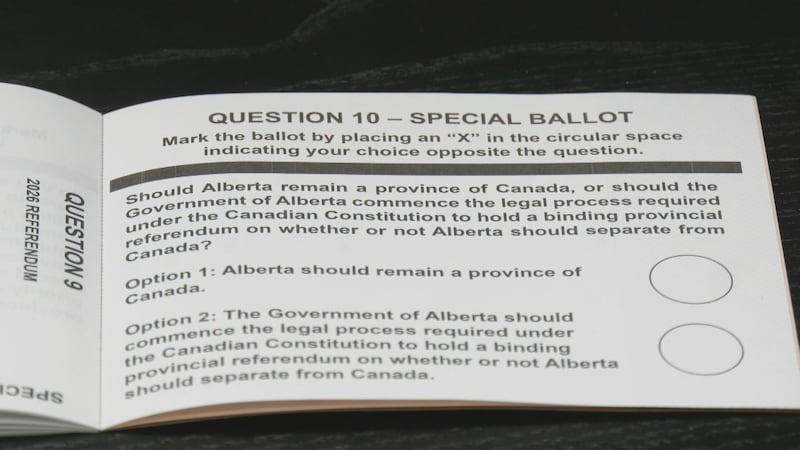
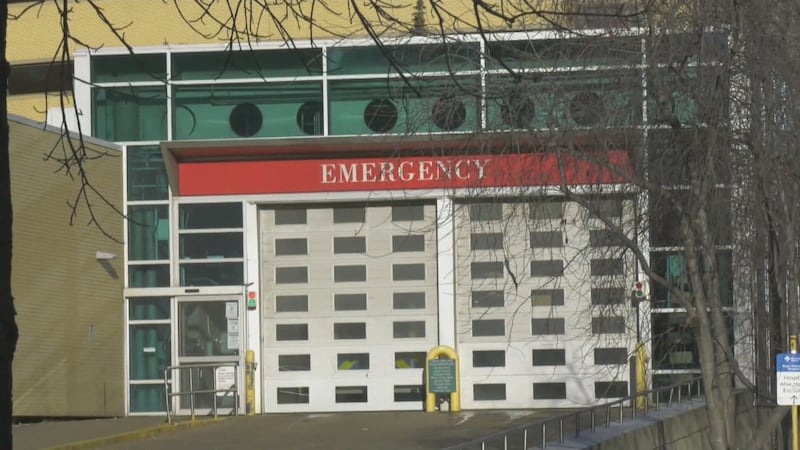
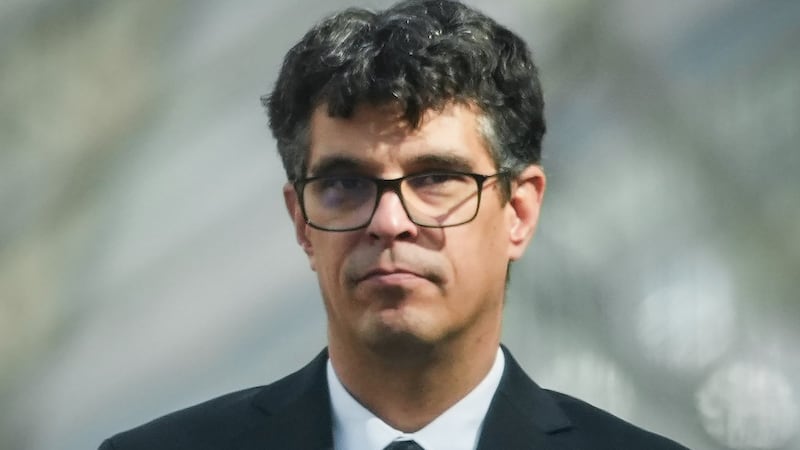
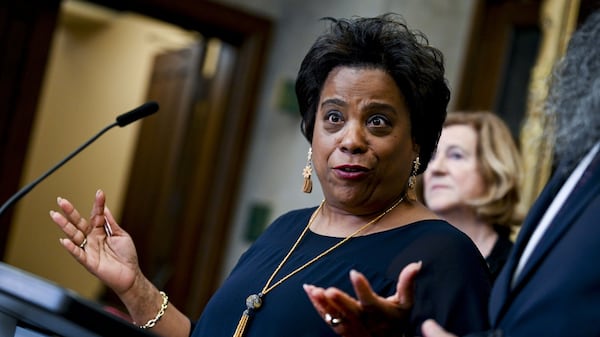
Alberta NDP Leader Naheed Nenshi discusses the importance of Albertans participating in Monday’s referendum and its potential outcomes with Alberta Primetime host Michael Higgins. This interview has been edited for length and clarity. Michael Higgins: Premier Danielle Smith posted a video about voting in the referendum and encouraging other Albertans to participate. Your party was very focused on encouraging people to vote. How worried are you about the outcome? Naheed Nenshi: I am a little bit worried. What’s funny is it’s so odd to me how (Smith) has become almost an inconsequential figure in the referendum that she caused. No one is listening to her anymore, and there’s literally not one thing she could say that could convince anyone to change their vote at this point. And the silly thing is: She’s still pretending that there is an undecided vote out there. The polling is very clear that there’s maybe five to eight per cent of Albertans who are not locked in, but for many months, the vast majority of Albertans are locked in for Canada. A small number of people are locked in for separation. Yet I’m worried, and the reason I’m worried is because there’s a motivation gap. The thing I hear most commonly every day is, “Naheed, why are you so worked up about this? The separatists are small; they’re never going to win.” To which my short answer is, “Well, you have got to vote.” And my longer answer is: The separatists, every one of them is going to vote. This is a once-in-a-lifetime opportunity for them to get their point across. They will cross broken glass to vote. The federalists may well see a five-hour-long lineup on election day, and say, “We’ve got this in the bag. I don’t have to worry about it.” And the experience of Brexit, of the Quebec referenda, of the Scottish independence referendum, are that voter turnout is the most critical thing. So we have deployed about 15,000 volunteers across the province. We’ve knocked on over half a million doors. We’ve amassed a list… of about 1.2 million pro-Canada voters in Alberta. And the job for our volunteers right now is to contact every one of them, encourage them to vote in the advance polls. Anyone can vote in the advance poll. You don’t need an excuse. Lineups will be shorter. Encourage them to get their vote in the box, because the lineups will be long on election day. MH: If Albertans vote to remain, is the prospect of a second binding referendum on separation then truly dead and done? NN: Not under this premier, and Michael, that’s the danger of the other nine questions. I would argue that the other nine questions are perhaps even more dangerous than the separatist question. I’m saying something that I’ve never ever said to citizens before, which is: Don’t vote based on the words on the paper; vote based on the motivation. So the idea is that those five questions, that I characterize as anti-immigrant questions, they also will not make a difference in people’s lives. Denying refugee students the right to public education isn’t going to improve public education for your child. Denying temporary foreign workers access to public health care is not going to ease waiting lists or ease the problems in the emergency room. It’s scapegoating. It’s distracting. It’s Trump-style rhetoric. It leads to division and anger going forward. That fifth question about requiring citizenship to vote sounds so reasonable, but the thing is, you need to attest to your citizenship to get on the voter list in the first place. And there’s been no evidence, zero, of voter fraud in Canada because non-citizens are voting. So what is the motivation behind this? Those four constitutional questions, you know, we know those will never ever result in constitutional change. The other provinces and the federal government will never agree. So why waste time and money on them? And it’s because this premier operates from a place of chaos, from grievance of keeping the cauldron boiling, and she needs new things for people to get mad about. MH: The premier was not available to us to discuss ownership of the referendum. I’ll put the question to you: What should ownership of the outcome look like for the premier and for the governing United Conservative Party (UCP)? NN: My answer is really straightforward. We got here because of one politician, one politician prioritizing her own political survival over what’s right for Albertans. MH: So what does that ownership of the referendum look like post referendum? NN: She’s going to run away from it. The amount of people supporting separatism in Alberta hasn’t changed in decades. It kind of goes between 15 and 21, 22 percent back and forth. And if anything, it’s gone down over the last year as the referendum gets closer. So it’s not because there was this huge push for this. She always says people have grievances with Ottawa. No, they have grievances with her. They have grievances with education and health care and jobs and the economy, much of which is under provincial government control. But she’s pretending that this is all Ottawa’s fault. The thing about Danielle Smith that makes her different than Ralph Klein or Ed Stelmach or any other conservative premier is she never takes responsibility. The only people who can make her own it are people in her own party, and frankly, people in her own caucus. And I’m not sure they will. They’ve shown no evidence that they will. MH: You and and all the other MLAs will be back in the legislature the week following the referendum. How does the outcome of the referendum factor into the fall sitting? What are you anticipating? NN: I’ll start with something I’m nervous about, which is we are going back to the legislature immediately after the referendum, and everything about the misinformation and disinformation in this referendum has instilled mistrust of institutions. So the number one thing I hope for is that we’ll get back to the legislature and everything will be normal, and I’m worried it won’t be. And I think you can catch what I’m saying between the lines here. And I need people to understand that Elections Alberta is overwhelmed. The lineups will be long. The government hasn’t funded them properly. It’ll be inconvenient to vote, but that doesn’t mean that the results of the election should ever be in question. There are so many checks and balances to make sure it’s a fair election, and I think everyone on all sides needs to know that. Then we get into the legislature, and depending on the results of the referendum, things could look very different. But I’ll tell you the one thing I’d love people to keep an eye on, which is a few days after the referendum, we are expecting that a legislature committee will receive the new electoral boundary maps. It’s being done on purpose in the news wave of the referendum, in the hopes that no one notices. And if the UCP does what I fear and many fear they will do, which is attempt to rig the next election by gerrymandering those maps by changing the electoral boundaries to dilute the non-UCP vote, then that’ll be probably the major thing we discuss in this legislative session.