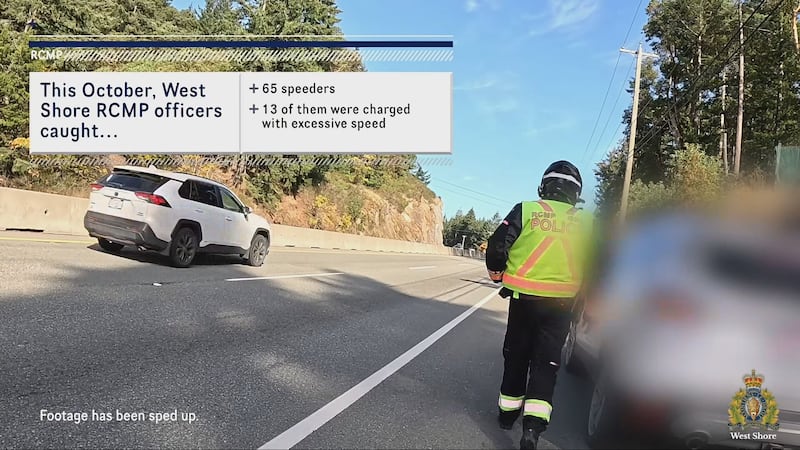
The United Conservative Party endorsed the proposed changes to Alberta’s electoral boundaries while municipalities are raising concerns. Kara Westerlund, president of the Rural Municipalities of Alberta, joins Michael Higgins to discuss the issue. This interview has been edited for length and clarity. Michael Higgins: Let’s start on the redraw of electoral boundaries and this hybridizing of urban and rural ridings. What kind of impact do you see this having on the weight of the voice of rural voters? Kara Westerlund: Our concern is the same as our urban neighbours, and we do have a concern around the dilution of the rural vote and how that’s going to shape and play into how these hybrid ridings are going to work out. We’ve been very clear over the last year or so since the review has been happening, we have been in person to make a submission, as well as we’ve done a written submission. Our greatest focus and our greatest concern is always and will continue to be making sure that we have effective representation from rural Alberta. MH: Are you surprised to see the government pushing this through, despite the degree of pushback? KW: We’re not quite sure. Obviously, with the election coming up in less than a year, of course I’m sure they’re trying to get these changes through in that manner. But at the same time, we need to make sure that we are having a fulsome conversation, and, again, just making sure representation from across the province is equitable and fair. That’s been our message all along: making sure the effective representation is, in fact, the key driver in what is going to make up the ridings. MH: How do you see these new electoral boundaries playing with rural voters, especially in the wake of the referendum? KW: It’s a little too early for us to say. We are still trying to work through the report and what was put forth. I know our staff and our board will be sitting down over the next few days and in the coming weeks to truly understand what it’s going to mean and what it’s going to look like. But, again, just an emphasis, this isn’t a new subject and it’s not a new item. We’ve been talking about this for well over a year, and it just keeps coming back to making sure we respect the voters across this province and from the rural side. And, again, loud and clear, the effective representation. MH: Your membership is also sharing concerns this week, even frustration based on some of the news coverage that I’ve seen over policing and a potential move away from the RCMP. Is it your sense that the Smith government is ready to pull the trigger on a provincial police service and replace the Mounties? KW: We haven’t seen anything concrete with that, but, obviously, with the changes we have been seeing, there is great concern for what policing will look like across the province and into the future. Our members have been very loud and clear from the beginning: we believe the RCMP are doing a great job in this province. Our concern has always been, and will be continuing to be, on the side of the policing cost being put on rural municipalities. Up until a few years ago, we didn’t have to formally contribute to policing in our communities. Many of us were actually already doing that through enhanced policing positions and school resource officers. But what has shifted is the province has been shifting that cost directly to rural municipalities. In some cases, we have municipalities that will be paying over $1 million for policing in their communities. Couple that with us having to dabble in the health care side of things in rural Alberta, cuts to the Local Government Fiscal Framework funding, cuts to Strategic Transportation Infrastructure Program funding, infrastructure funding. It’s just one more nail in our coffin and, unfortunately, we’re having to make hard decisions within our budgets. Policing is important to our communities, so we’re having to make cuts or adjust our property tax rates to cover the increase we’re seeing. MH: Big cities raised lots of red flags over the toll the province was taking with education property taxes. The government came out with new changes, they locked in a single rate for three years. How much clarity do you have where this impacts rural municipalities? KW: This is a fairly recent announcement, we are still doing a deep dive in the regulations and the changes that are coming. Obviously, any time there’s a freeze on tax rates on the school requisition side, it does make our budgeting easier for us. But we’re not quite sure what the impact is going to be across rural Alberta. I know there’s been a lot of talk about what’s happening in Calgary and the increases they’ve seen. Some of my members and some of our municipalities saw a 34-per-cent increase in school requisitions. That’s just Year One. There was also previous year increases two years ago, three years ago for some of our residents. So we will be keeping a close eye on this.