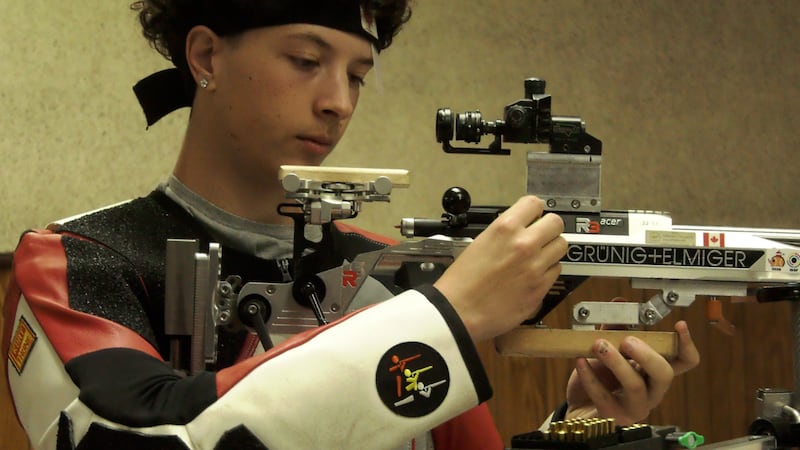
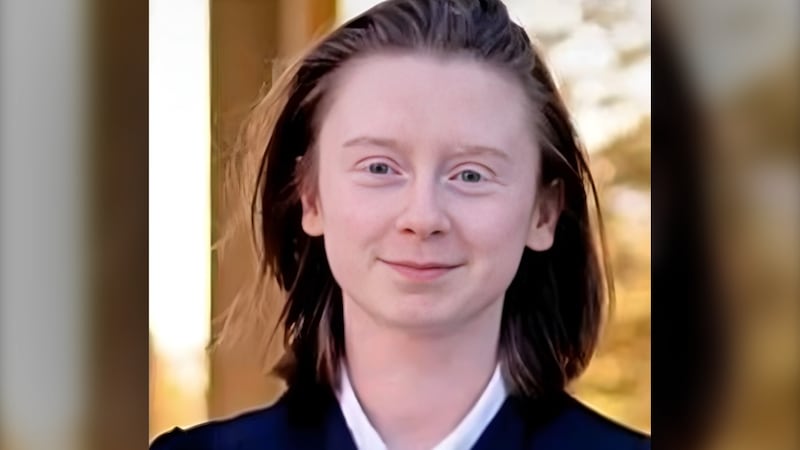
For Lucas Loftin, sharpshooting was just something he and his grandfather did together when he was younger. Whether he was fully aware of who his grandfather was at the time, he did know the sport was something he enjoyed. I started probably about seven or eight years ago… my grandpa would pick me up from school, take me to the range, and it started off as every once in a while, and then it sort of became a regular thing and we just stuck to it,” he told CTV News. His grandfather, Glynn Loftin, is a former national champion in the prone rifle shooting category. Two generations on, his 17-year-old grandson competes in two extra categories on top of prone shooting, taking home silverware in standing and kneeling positions as well. The young shooter already has national records in multiple 50m rifle categories, as well as several medals, including a handful of golds, won in regional and national competition. Gale Stewart, a national team coach, explained how the next competitions will play a big part in Loftin’s aspiring dreams. “In November, we will have the Championship of the Americas competition, which is a very important one for all the countries in the Americas to get some quota places for the Olympics or even for the Pan American Games,” he said. Even being grandfathered, literally, into the sport, Loftin spoke his gratitude on his situation and how fortunate he felt to be surrounded with the support system he has. “I’m super lucky. Of course, I got one of the best to ever do it, my grandfather, (who) helps coach me and then I get all of his connections. These guys here are the greatest help in the world and I’m just very grateful for that,” explained Loftin. The team environment runs deep for all involved in the sport, including former Paris 2024 Olympian Shannon Westlake, who also holds various national records in several categories. She told CTV News that no matter who you are, this sport is for you as long as you are for this sport. “The number one thing that they need to know going into this sport is that it’s an open community who are welcoming and supportive of one another, for anyone of any age, no matter if they’re an able athlete or a para-athlete,” Westlake said. While all participants echoed misconceptions on the sport being unsafe, multiple members claimed that was “impossible” given that safety was the number one priority to them. A sport shaped around staying still and silent, Stewart said it brings alternative but similar challenges as more traditional sports in the spotlight. “It’s a very different sport in that it’s a precision sport which doesn’t involve great, physical ability. Although there are some basic level of fitness that is required… it’s not as intensive as physically as the other sports, but mentally it’s the same challenges,” he said. Angela Yang, a fellow national team medalist, detailed that while the competition is fierce, the one she wants to beat is not the person beside her. “I think it’s really enjoyable because other sports you’re competing against other people, but for shooting, you get to be independent and compete against yourself,” she said. As for Loftin, if he is to represent Team Canada at the 2028 Summer Olympic Games in Los Angeles, he will need to count on beating the person behind him. When asked if he could do it, he gave an answer many would say is typical from a 17-year-old. “I mean, if I get lucky, I’ll be in LA 2028 Olympics, but that’s not guaranteed… it all depends on the day, right,” Loftin said. “I mean, sometimes, I’m the best… other days, other guys are the best. It’s just if I’m the best on that day and they’re not the best on the same day, then I can win an Olympic spot. If it goes the other way around and it’s not one of my days, but it’s one of their days… it might not go my way, but we won’t know for sure until it happens.”