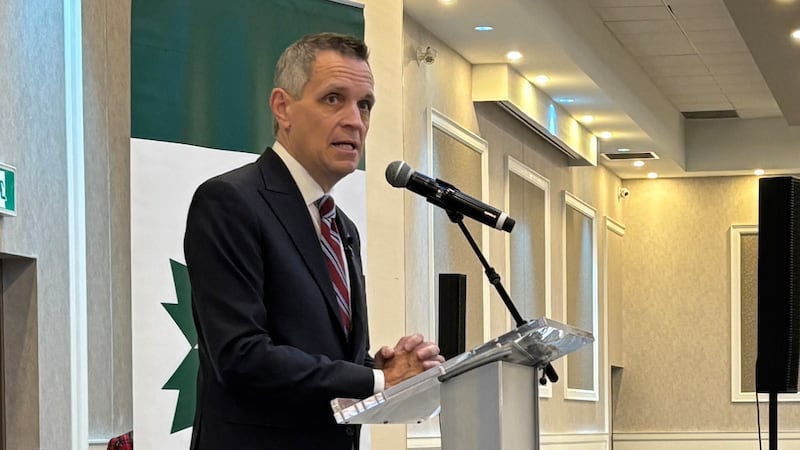
OC Transpo is on the road to a multi-million-dollar budget deficit this year due to lower ridership, but the City of Ottawa is anticipating the Ontario government drops $47 million into the fare box this year as part of the upload of the O-Train system to Metrolinx. A report for the Sept. 1 meeting of the finance and corporate services committee shows OC Transpo posted an $8.9 million deficit during the first six months of the year. Staff say the deficit is “primarily attributable to lower fare revenue, as ridership remains below budget assumptions.” OC Transpo ridership has averaged 67 per cent of pre-pandemic levels through the January to June period, with staff saying bus reliability issues at the start of the year that resulted in hundreds of cancelled trips hurt ridership numbers. The report says OC Transpo is also facing additional pressures this year, including higher Para Transpo operating costs, increased fleet maintenance expenses and higher facility costs due to winter maintenance activities. OC Transpo is forecasting a $12.35 million budget deficit for 2026 due to low ridership. The report does say OC Transpo expects a ridership increase in the final six months of the year, primarily related to the decision taken by the federal government to increase on-site work from three to four days a week. The 2026 Transit Services budget included a $47 million placeholder for funding from the Ontario government. While no funding has been announced, staff say the budgeted $47 million in provincial funding “continues to be in scope to be received within 2026,” as negotiations continue to upload the O-Train to Metrolinx. Premier Doug Ford first announced during the 2025 provincial election campaign the Ontario government would upload Ottawa’s O-Train to Metrolinx. The report for the finance committee notes Ontario formerly entered into a Memorandum of Understanding, which “reinforces the commitment to uploading Ottawa’s LRT system.” “While the commitment to proceed is clear, financial settlement terms, debt assumption, governance arrangements, and implementation timelines continue to be part of the ongoing due diligence process,” staff said. “Nevertheless, the province’s commitment provides a positive indication that structural financial pressures associated with transit operations will be reduced in future years. This potential relief, combined with ongoing efforts to increase ridership and manage costs, will help strengthen Transit Services’ financial outlook over the longer term.” Mayor Mark Sutcliffe has said the uploading of the O-Train to Metrolinx would free up approximately $85 million a year for OC Transpo to invest in the system. City of Ottawa budget surplus The City of Ottawa is expecting to end the year with a surplus in its tax-supported programs, with a hiring and spending freeze, higher fine revenue and increased investment incomes digging the city out of a multi-million deficit in the snow clearing budget. Staff are projecting the city end 2026 with a $3.3 million surplus in tax-supported programs and a $20 million surplus in the water and wastewater budget. The city posted a $40 million deficit in tax-supported programs and a $10 million surplus in water and wastewater budgets during the first six months of the year. The city is projecting a $28.9 million deficit in the Public Works budget, primarily driven by snow-clearing operations due to the “above-average snowfall and an increased number of winter weather events during the first quarter.” Staff say the year-end budget surplus is projected due to “continued revenue growth in non-departmental accounts, strong rate-supported program performance and the effectiveness of mitigation measures including the discretionary spending freeze, hiring controls, and enhanced financial monitoring.” The city is expecting a $29.4 million surplus in non-departmental spending, “driven by higher than budgeted revenues from investment income, payments in lieu of taxation (PILT), hydro dividends, Airbnb revenues, penalties and interest, and stronger than anticipated land sales through both Build Ottawa and Sales of Surplus Land.” Budget risks While the city is projecting a $3.3 million surplus in tax-supported programs, staff warn the Canada Day storm, broader economic conditions and the upcoming winter could impact the city’s finances. “While emergency response and recovery activities commenced immediately during the July 1, 2026 event, damage assessments and cost estimates are still underway across affected facilities, infrastructure, and service areas,” staff said. “Costs associated with response, clean-up and infrastructure repairs have not been reflected in the second quarter forecast and will continue to be assessed over the coming months.” Staff say the city is accessing opportunities to apply for financial assistance through Ontario’s disaster recovery and emergency funding programs to offset costs that occurred following the record rainfall on Canada Day.