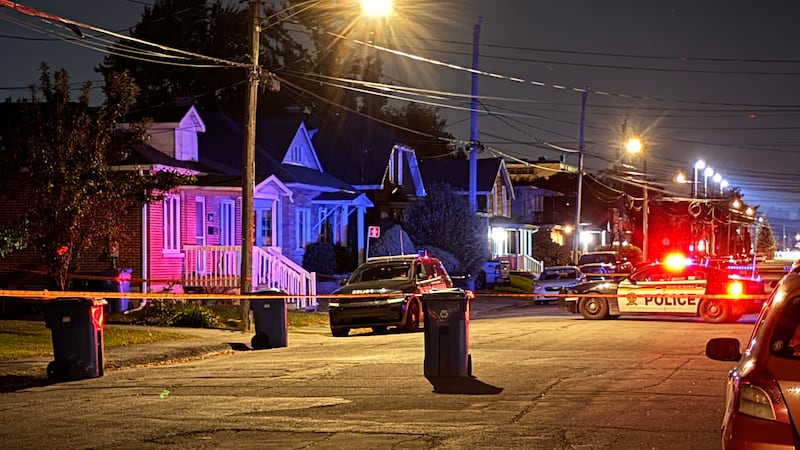
On Tuesday, the leader of the B.C. Conservative Party became the latest politician to make a campaign promise outside his jurisdiction, further confusing voters about purviews and responsibilities. With overlapping municipal and provincial elections, British Columbians are being inundated with signage and messaging from candidates. Call-in radio shows and social media posts suggest many people don’t know who to hold responsible for their frustrations—as candidates make missteps. As part of his “Safe Streets for B.C.” announcement, alongside other Conservative candidates, Lorne Doerkson told reporters that if he forms government, he “will deploy more police to hard-hit neighbourhoods to deal with street-level crime.” The premier does not direct law enforcement resources because police are in the jurisdiction of municipal governments. Your mayor and council are also responsible for zoning decisions, libraries, local parks, streetlights and sidewalks, business licences, and collecting property taxes. The provincial government handles the health-care system, Crown prosecutors, most subsidized housing, education and social supports, major highways, bridges, as well as income and sales tax. That didn’t stop Doug McCallum, a former mayor of Surrey who’s trying to get re-elected to the city’s top job, from standing in front of a city-owned piece of land and declaring, “When I am mayor, we are going to build a new hospital for this city right here.” A shorthand way to think about it would be to assume that the bigger the price tag, the higher the level of government responsible. When an issue involves or impacts the governments of other provinces or countries, it’s likely federal. This includes airports and immigration, oceans and fisheries, criminal law, currency, the postal service, unemployment insurance and pensions. Of course, every officeholder looks to senior levels of government for financial assistance on big projects—for example, major infrastructure projects impacting commuters and trade—and there are areas where there are shared responsibilities. The federal government funds roughly a third of each province’s health-care system, with the provincial government deciding where that money should be allocated. Similarly, the province of B.C. funds the public school system and sets certain standards, with local school boards determining what their community priorities and needs are.