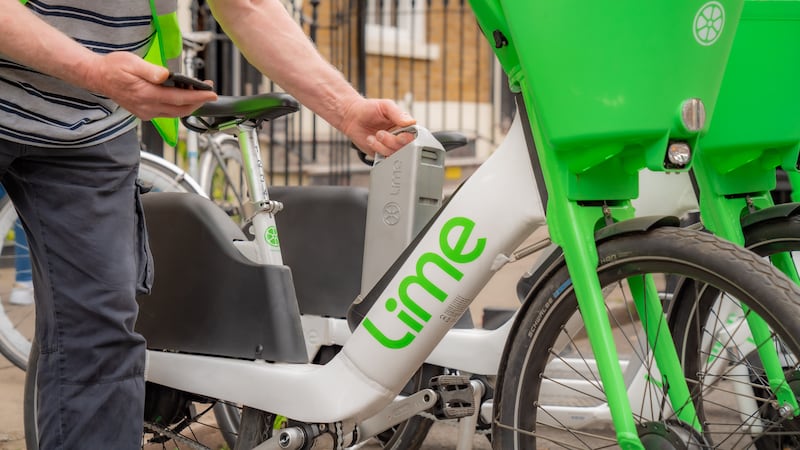
Nearly 8,200 trips were recorded in the first 10 days of Victoria’s new e-bike share program, with about 4,000 unique riders taking Lime bikes for a spin. That works out to more than 800 trips a day, with most bikes averaging about two rides daily. The typical ride was around two kilometres and lasted roughly 11 minutes. The early numbers offer a first look at how people are using the service, with most trips appearing to be short rides around the city. The launch marks a second attempt at bike sharing in Victoria after the previous U-Bicycle system was discontinued. This time, the city says it took a close look at what happened with the earlier program before deciding to try again. A different approach City staff researched the previous system and looked at bike share programs in other cities before developing the new model. One of the biggest changes is where riders can leave their bikes. Trips must end at designated bike share parking zones instead of allowing riders to leave bikes wherever they stop. The city says that approach is meant to keep sidewalks clear and give it more control over where the bikes are left. There are now more than 110 parking zones, with the network expected to expand across Victoria by the end of 2026. The parking areas are scheduled to be converted into docking stations beginning in summer 2027. The city has also introduced stricter requirements for the operator, dedicated staff to oversee the program and newer GPS and locking technology. Lime has a five-year contract with Victoria, with two optional three-year renewals. Lime is responsible for maintaining the bikes and parking areas, including dealing with vandalism. Why Lime? Victoria selected Lime through a competitive procurement process. Council approved the release of a request for proposals (RFP) in July 2025, and the city issued the RFP in November. Lime Canada was ultimately selected after its proposal best met the city’s published criteria. The evaluation looked at the company’s experience operating an e-bike share service, its proposed approach for Victoria, how it would manage bike parking and support the city’s public space goals, as well as its financial, sustainability, accessibility and equity commitments. The city also conducted a physical demonstration of the bikes and technology. Safety rules for riders Anyone using the service must be at least 16 years old. First time riders must complete a short safety quiz before unlocking a bike. Each Lime bike comes with a helmet, although riders can bring their own. The bikes provide pedal assistance up to 25 km/h, which is below the provincial maximum of 32 km/h for motor-assisted cycles. There are also areas where the bikes are programmed to behave differently. On the Dallas Road multi-use path, for example, the bikes can automatically slow down. In designated no go areas, including the Songhees Walkway, the electric assistance is disabled. Those restrictions are shown in the Lime app. Lime plans to attend community events and conduct outreach to help riders understand the rules and ride safely. Residents weighed in on parking locations The city consulted residents before deciding where bike share parking zones should be installed. The public engagement period ran from Aug. 13 to Sept. 24, 2025, generating nearly 2,000 interactions. The city promoted the consultation through its engagement platform, social media, newsletters, community groups and other outreach. Residents and property owners within 20 metres of a planned parking zone were also notified by postcard before installation. Victoria says that feedback, combined with lessons from bike share programs in other cities, helped shape the locations. For now, the service is still in its early days. The bigger test will come over the months ahead, as Victoria finds out whether residents continue using the bikes as part of their regular routines and whether the new approach can deliver the staying power the city did not get from its previous bike share system.