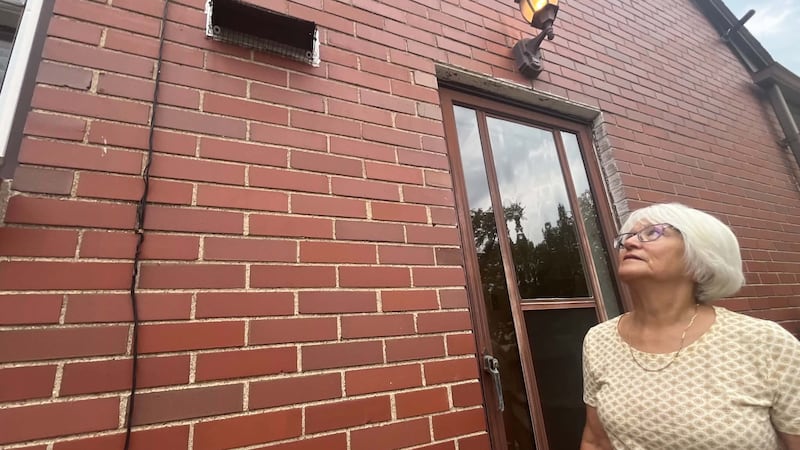
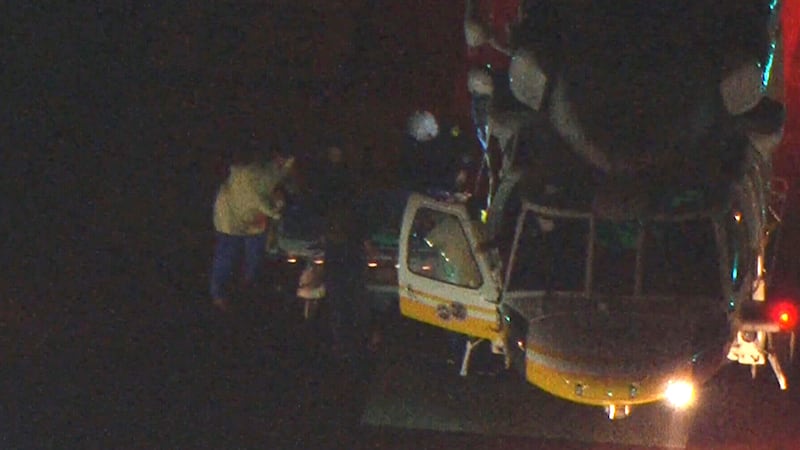
Denise Drouillard was asleep inside her East Windsor home when she felt something brush against her neck. She soon realized the unexpected visitor was a bat. Drouillard said she had heard her cat making a commotion in the kitchen before the animal came into her bedroom. She initially thought the bat had simply touched her, but a trip to hospital later revealed a scratch on her neck. “I didn’t really feel a scratch. I felt it touch me,” Drouillard explained. “So, I guess it did scratch me.” The Windsor woman was subsequently given five rabies shots following the September encounter. Her experience comes as the Windsor-Essex County Health Unit (WECHU) reports an increase in investigations involving bats and raccoons this year. From January through July, WECHU investigated 46 bat-related exposures, up from 28 during the same period in 2025. Raccoon-related investigations increased to 24 from seven. The health unit also reported an increase in rabies post-exposure prophylaxis, or PEP, administered following encounters with those animals. Treatment following bat exposures rose to 24 courses from seven, while raccoon-related PEP increased to 20 courses from five. Dr. Mehdi Aloosh, WECHU’s medical officer of health, said residents should take precautions around wildlife and seek help if they believe they have been exposed. “Educate yourself, your children and make sure that your pets are safe,” Aloosh said. “And at the end of the day, if you felt that you were at risk of rabies and you had exposure to wildlife, please reach out. Public health is here to support our community.” The health unit says bats are among the wildlife species most commonly associated with rabies transmission in Ontario. It also notes that a potential exposure does not automatically mean someone will receive treatment; public health assesses each incident and works with healthcare providers to determine whether post-exposure treatment is required. For Drouillard, the encounter was particularly concerning because it was not her first experience with wildlife inside her home. “Yeah, a squirrel and a bat the same summer,” she said, adding that she believes an old chimney provided an entry point. She has also had a raccoon attempt to get into the house through a window. Drouillard said she has since had Pro Trap Wildlife Prevention come to her home to install a one-way exit for bats and seal potential entry points. “It’s an exit for them to get out, and then they wait a few weeks to make sure all the bats are out,” she said. “And this exit doesn’t allow them back in, and then they seal it.” Jack Reaume, a wildlife prevention expert with Pro Trap in LaSalle, said his company deals with bat and raccoon calls every year, but he believes bat activity has been particularly noticeable this year. He said young bats can be more likely to end up inside homes as they begin exploring. “They’re almost like teenagers,” Reaume explained. “They kind of want to see everything.” Reaume said bats can also pose a particular challenge because their bites can be difficult to detect. “And it’s not knowing if they bit you or not. That’s the hard part, because their teeth are so fine, sharp,” he said. “You might not necessarily hear it, see it or feel it and you don’t. You just don’t know.” Reaume said his company is also seeing more raccoon activity, including young animals moving away from their mothers. He cautioned residents against trying to handle wildlife themselves. “Best thing to do? Call a professional like us,” Reaume stated. “You don’t want to tackle bats or raccoons on your own. The disease factor is a huge issue.” WECHU’s report also identified a cluster of raccoon exposure incidents at Ojibway Nature Centre between May and July. 12 incidents were reported, including six potential exposures in one week. 10 people received preventive treatment following public health risk assessments. Despite the increase in wildlife-related investigations, dogs and cats continue to account for the majority of animal exposure investigations in Windsor-Essex, with 660 reported between January and July this year. Aloosh said pet owners have an important role in preventing encounters. “Keep that leash on the dogs and the animals when you’re in the public,” he said. “That protects the pet and also the public.” WECHU advises anyone who is bitten or scratched by a wild animal, or who has direct contact with a bat, to wash the affected area with soap and warm water for at least 15 minutes and seek immediate medical attention. Residents are also advised not to attempt to catch or provoke a bat or other wild animal. According to Drouillard, the experience has given her another reason to be cautious around the wildlife that shares her neighbourhood. “There’s a lot of wildlife around here,” she told CTV News. And despite the unexpected rabies treatment that followed her latest encounter, she was able to find some humour in the experience. “I might go into the bat catching business now that I have the rabies shots,” Drouillard joked. “No, I’m kidding!” - With files from AM800 News/Meagan Delaurier