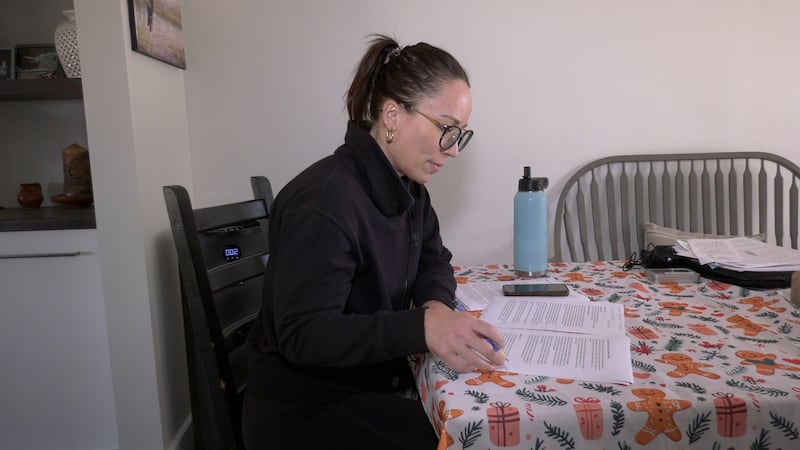
A Tecumseh woman who says she has been off fentanyl for a year is concerned proposed changes to Ontario’s safer supply program could make accessing her medication more difficult. Tracy MacDonald says the program helped her stop using fentanyl within about a month and a half, after years of addiction that began with prescription medication. MacDonald says she is now concerned new rules approved by the College of Physicians and Surgeons of Ontario (CPSO) could create barriers for people relying on safer supply. The regulator had planned to implement the changes Monday but paused enforcement after being served with a legal challenge seeking an injunction to prevent the new rules from taking effect. The changes would require safer supply prescriptions to be paired with opioid agonist therapy, which uses medications such as methadone and Suboxone to treat opioid addiction. Patients would also be required to take their safer supply medication under the supervision of healthcare professionals, rather than taking doses home. MacDonald told CTV News she currently travels from Tecumseh to a pharmacy in Windsor to access her medication, estimating a cab ride costs about $70. She says requiring patients to attend three times a day would create a significant financial and logistical burden. “Right now, I’m at once a day. But as of yesterday, it was supposed to switch to three times a day, but they got everything put on pause,” MacDonald said. She says she worries some people could abandon the program because of the added barriers. “There’s a lot of people that are going to go back to fentanyl from it,” she said. “It’s too hard to be able to go there three times a day.” MacDonald says her own experience with the program has been life changing. “I started on fentanyl from the doctor years ago. I didn’t realize it was an opiate. Ended up addicted,” she said, describing how she eventually turned to street fentanyl after being cut off from prescription opioids. She says she found out about safer supply and entered the program, adding she was off fentanyl within about a month and a half. “And it’s kept me clean,” she stated. Local pharmacist Tim Brady, owner of Brady’s Drug Store and past chair of the Ontario Pharmacists Association, says the proposed changes raise concerns about access, particularly for people in rural communities or those who have returned to work. Brady says requiring patients to attend a pharmacy every day could create challenges for people trying to maintain employment. “It’s one thing to tell your job, I’m going to be late on Friday, half an hour. It’s another thing to say, by the way, I know I have a new job, but can I be late every day?” Brady said. He says pharmacists have been concerned about the potential impacts, while also recognizing the need for safeguards to help address the diversion of prescribed drugs. Brady says he welcomes the regulator’s decision to pause enforcement and take another look at the proposed rules. “I think there should be stipulations on it. And the system always works best when there are rules,” he explained. But Brady continued saying the challenge is finding a way to protect public safety while ensuring people seeking help can continue accessing care. MacDonald says she hopes the program remains accessible to those who rely on it. “I just wish they would leave it the way it was,” she said. “I liked it when I could go to my drugstore here in Tecumseh and not have to go to Windsor every day.” She says she plans to continue advocating for the program while the changes remain on hold. “Just keep fighting,” MacDonald said. “I’ve been emailing MPs and just keep fighting to keep the program normal and not having to go in three times a day.” The CPSO says enforcement of the new rules is paused while it responds to the legal challenge. The changes have not been permanently cancelled.