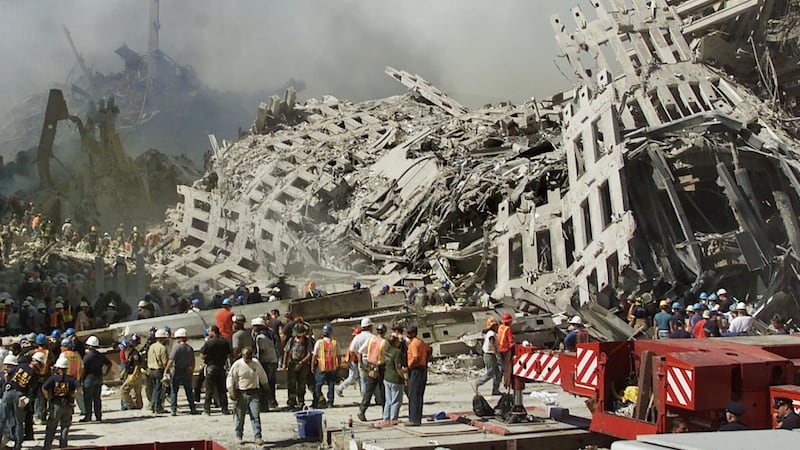
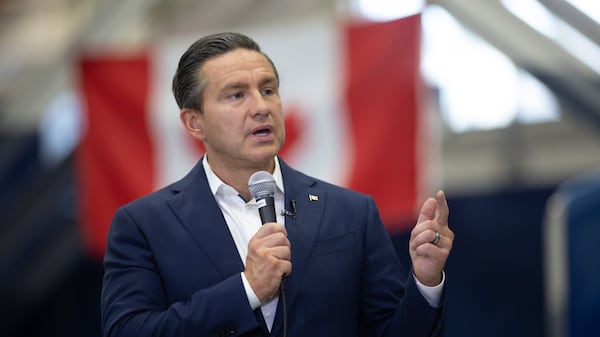
Warning: Graphic content NEW YORK — New York City has released more than 170,000 pages of previously undisclosed records about air quality following the Sept. 11, 2001, attacks, showing city officials at the time knew conditions around Ground Zero were unsafe to breathe despite repeated assurances to the public. Mayor Zohran Mamdani announced the release at a news conference Tuesday. “As the years pass and the human toll grows, we reckon with the cost of September 11th whenever another New Yorker is stolen from us too soon,” Mamdani said. “Now, close to 25 years later, more people have died from 9/11-related illnesses than were killed on the day itself.” At least 140,000 people from all 50 U.S. states have enrolled in the World Trade Center Health Program, and 49,000 have been diagnosed with certified WTC-related cancers, according to the 9/11 Memorial. Mamdani said Tuesday that more people are eligible for assistance than are currently enrolled, including residents who lived near the site but have not received outreach and those who live outside of New York. Cancer wasn’t covered when the U.S. Congress created the health program in 2011. It was added in 2012 — only after a fight by advocates and a study showing elevated cancer rates among New York firefighters at Ground Zero. The release of the records resolves a lawsuit brought by the advocacy group 9/11 Health Watch, which sued the city for the records. Ben Chevat, the executive director of 9/11 Health Watch, said Tuesday that the release of the documents will give people what they need to access U.S. federal assistance and will help kick-start additional research on health outcomes. “Mr. Mayor, I want to thank you for being the mayor who, after 25 years, begins to answer the question: what did the city know about the dangers from the toxic cloud at Ground Zero, and when did it know it?” Chevat said, addressing Mamdani. The documents contain a fraction of the air quality reports taken at Ground Zero, but they also include crucial internal memos, including what became known as the “Harding Memo” sent to then-Deputy Mayor Robert Harding, which revealed city officials anticipated thousands of possible lawsuits due to the 9/11 air exposure and the lack of proper safety equipment. The memo also outlined legislative alternatives to limit the city’s legal liability. “People got sick because the leaders they trusted lied and told them they were safe to breathe in toxic air,” Mamdani said. When asked whether the yearslong delay in releasing the documents was a “cover-up,” the mayor said, “This was multiple mayoral administrations refusing to release documents that New Yorkers were owed.” Mamdani appeared alongside 9/11 families and Jon Stewart, a longtime advocate for increased transparency and resources for first responders and survivors. “There was poison in the air, and on the ground, and in the windowsills, and in your air conditioners and covering your pets and your clothes, and it stayed there for months. Everyone knew. Now it’s very clear that the city knew as well,” Stewart said. Karen Klingon, who lost her brother after 9/11, attended the news conference Tuesday. Her brother, Robert Klingon, lived a five-minute walk from the World Trade Center when the towers came down and was treated through the World Trade Center Health Program, she told CNN. In 2018, he collapsed on the street and learned he had a brain tumor. He died two years later, Klingon said. “I think there wasn’t just lack of transparency; there was a lack of regard for people, and I find that very disturbing,” Klingon told CNN. “Also, my brother was a lawyer and had a very acute sense of justice and injustice, and he would have certainly been appalled by the injustice of the lack of transparency and the lack of concern for people who are still suffering.” A searchable portal will provide access to the documents, and the city is expected to add more material on a rolling basis in the coming months, officials said Tuesday. Every document published in the portal will be available for view and download at no cost. The disclosure is expected to give the public a better understanding of how the city responded following the collapse of the World Trade Center as officials raced to restabilize Lower Manhattan and reopen the area. The documents were among 68 boxes stored in a city government office that were discovered last year and are being released ahead of Friday’s 25th anniversary of the attacks, according to city officials. Nearly 3,000 people were killed on 9/11, but thousands more – including first responders who spent months working at the site – have since died from 9/11-related cancers and other illnesses.