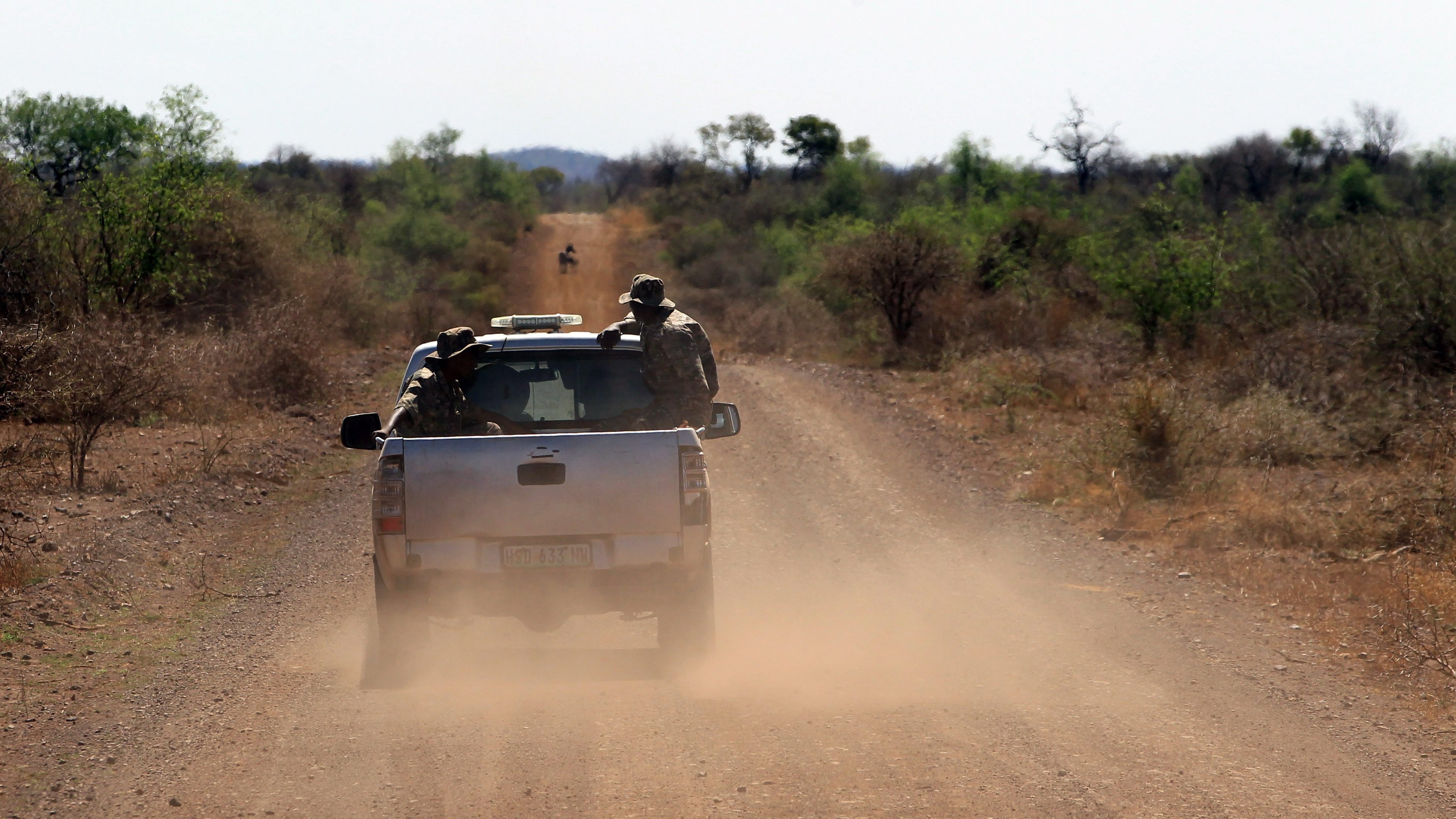
JOHANNESBURG — A South African man was among a group of up to 20 workers abducted in Mozambique during an attack by insurgents on a hunting camp, South Africa’s foreign ministry said Monday. The Department of International Relations and Cooperation said the 30-year-old man was among five South Africans working at the wildlife reserve who were caught up in last week’s attack. Of the other four, two had returned to South Africa, and two remained safe in Mozambique. “Embassy officials are working with Mozambican authorities and are monitoring the situation and developments in Niassa Province,” the department told told The Associated Press. Three U.S. citizens are thought to have been evacuated from the area. The attack is thought to have been carried out by militants linked to the Islamic State group, which launched an insurgency in neighboring Cabo Delgado province in 2017. The U.S. Embassy in Mozambique, which acknowledged the attack in a statement, did not immediately respond to requests for comment. Local police said at least 11 people, including children, were abducted during the attack on the town of Marangira, in Niassa province. It wasn’t immediately clear why there was a discrepancy in the number of people abducted between South African and Mozambican authorities. Police spokesperson Osvaldo Mahando told local media that one person was killed, another slightly injured, and vehicles were burned in the attack. Security forces were patrolling nearby forests, he said. The insurgency has destabilized northern Mozambique, killing thousands and forcing more than 1 million people to flee their homes, according to the United Nations. The militants have also carried out attacks in the neighbouring Niassa and Nampula provinces. Mozambique’s state news agency, Agencia de Informacao de Mocambique (AIM), reported that the attackers looted and burned a hunting camp and damaged a health centre, police post and telecommunications tower. Citing provincial government figures, AIM said the attack forced thousands to flee and about 2,000 people were initially given shelter. The attack prompted the U.S. Embassy to advise Americans to avoid the Niassa Special Reserve and areas near the Niassa-Cabo Delgado border. Peter Bofin, a regional expert at the conflict monitoring group Armed Conflict Location & Event Data, said the latest attack marked the group’s first incursion into Niassa since May 2025. Although Bofin said the raid was probably an isolated operation rather than evidence of a sustained presence in Niassa, he said it demonstrated the militants’ mobility. “The ability of one group of ISM (Islamic State Mozambique) fighters to enter Niassa and undertake that attack highlights that ISM still has an advantage in maneuverability in rural areas,” he said. Bofin said the camp offered an opportunity to seize supplies and strike an important economic target, undermining confidence in the government’s control of the region. Michelle Gumede, The Associated Press