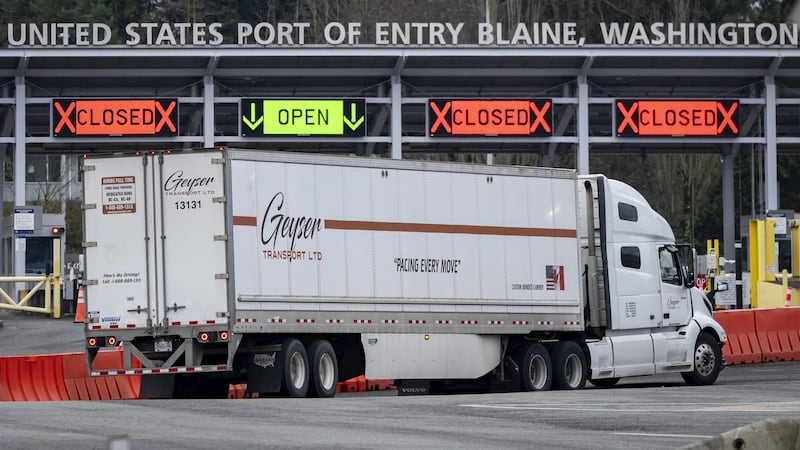
HALIFAX — Nova Scotia Premier Tim Houston says his government is in talks with businesses bracing for impacts of the U.S. trade war, though none of a $50 million provincial contingency fund has been spent. Houston told reporters it’s hard to articulate how stressful this is for business owners are right now. “Some of these are small, medium-sized businesses that have been in the family for generations. And this is not of their doing, it’s something happening to them,” he told reporters at the legislature Tuesday. Ottawa’s retaliatory tariffs on American goods took effect Tuesday. The Canadian government imposed the tariffs in response to U.S. President Donald Trump, who placed new 50 per cent tariffs in August on nearly $28 billion worth of Canadian goods, from hockey sticks and cement to honey. Nova Scotia’s agriculture, seafood and manufacturing sectors, among others, are threatened by tariffs. Houston said he’s listening to Nova Scotia businesses preparing for impacts to their supply chain, customer base and workforce. He also said the government could use a $50-million contingency fund that was introduced in the last budget “as needed.” “We just need to make sure that we’re listening carefully (to businesses.) This could be a longer term situation than any of us appreciate, so I think we need to be mindful of that too,” he said. The premier said he worries the trade war could continue for as long as President Donald Trump remains in power. “I believe there is a risk that the situation could be there as long as Donald Trump is there,” Houston said. Canada’s tariffs, ranging from 15 to 50 per cent, target only products that were on the U.S. list and match the dollar value of the exports -- $27.8 billion. They include dairy products, plywood and sunscreen. Prime Minister Mark Carney warned Canadians the country’s pivot away from the United States will “come at a cost” -- but insists the alternative would be far worse. In a national video address released Tuesday, Carney discussed Canada’s plan to respond to the U.S. trade war by striking new trade deals with other countries. “We have everything we need to pivot and prosper,” he said. “That pivot will come at a cost. There’s always a cost to action. But it doesn’t come close to the cost of standing still.” Trump also announced on Tuesday that he was banning Canadian goods from U.S. government contracts. This report by The Canadian Press was first published Sept. 8, 2026. By Lyndsay Armstrong, with files from Nick Murray in Ottawa.