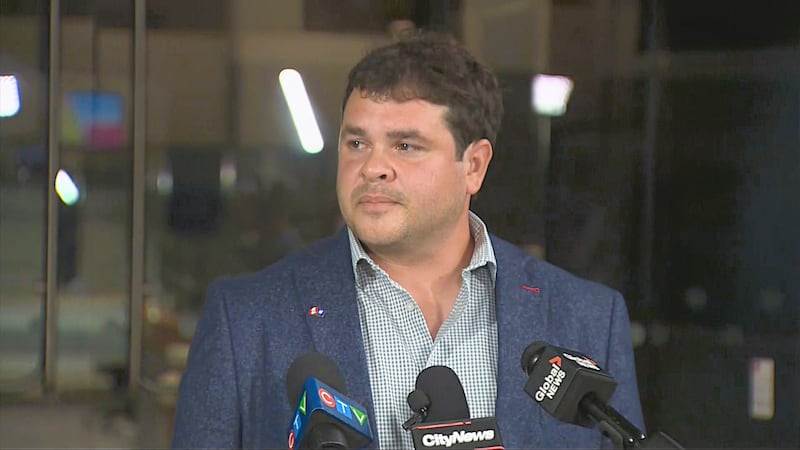
Naturopathic doctors (NDs) are officially regulated in Nova Scotia, as of May 27. They have become the province’s 18th regulated health profession under Nova Scotia’s Regulated Health Professions Act (RHPA). Naturopathic doctors use a mix of modern scientific knowledge with traditional and natural forms of medicine. Residents will now be able to identify qualified NDs who meet established education, licensing and professional standards. “It’s not that they are looking to say – or we’re looking to replace someone’s family doctor, but it helps open those doors for people to get care,” says Dr. Tara Lantz, ND and chair of the Nova Scotia Association of Naturopathic Doctors (NSAND). She and the association applaud the decision, calling it “an important milestone.” “Regulation strengthens public protection, formalizes professional standards, and helps ensure Nova Scotians can identify qualified naturopathic doctors who meet established education, licensing, and professional requirements,” Lantz says in a news release. She tells CTV they’ve been working towards this for years. NSAND describes NDs as “trained to assess, diagnose, and treat a range of health concerns using natural and integrative therapies.” According to the association, there are more than 3,000 NDs across Canada. The profession is one that has been growing for years, with people turning to naturopathic care in part due to a lack of access to other forms of primary care. “So many more people are now focused on the quality of life. They want to make sure that when they do get to 75, 80, they want to be living their life,” says Ben Connolly, Cornerstone naturopathic medical director. “They want to be able to get up and down off the floor with their grandkids. They still want to be able to get on a plane.” With this move, Nova Scotia is joining six other Canadian jurisdictions formally regulating the doctors under provincial and territorial health profession legislation. “We’ll be able to offer true primary care, but what does that mean? That means antibiotics, that means drugs and medications, being able to prescribe so that you can go to your pharmacist and actually get the medication you need for preventative care,” adds Connolly. Regulatory oversight, title protection and formal licensure will now be established for the profession. “Being able to do this in our office and do it appropriately is going to absolutely increase the quality of life for our patients,” says Connolly. NDs are still not regulated in New Brunswick or Prince Edward Island. As for Nova Scotia, it will take some time before the new changes come into effect. For more Nova Scotia news, visit our dedicated provincial page