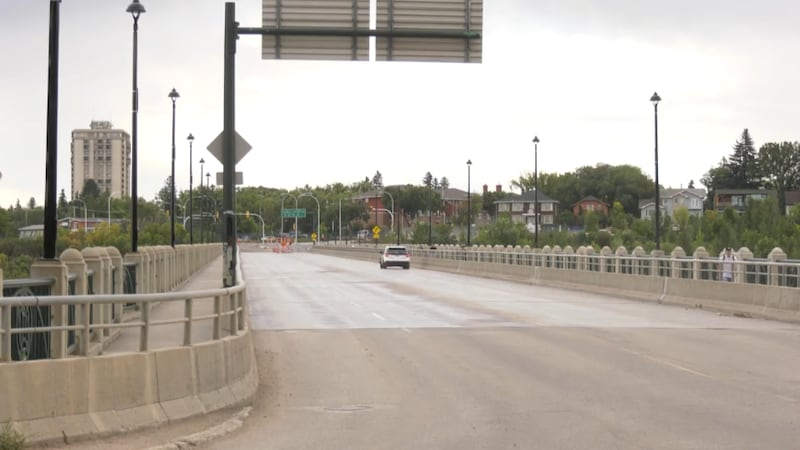
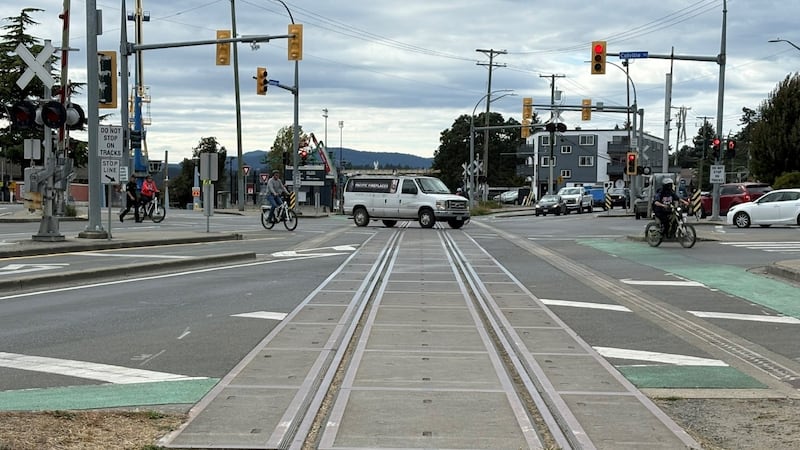
Anyone who has driven through the south end of Halifax has likely driven over the Halifax Rail Cut, but few people know the rail line’s significance to the city. Started in 1913, the Rail Cut is a large reason for Halifax’s success as an active port city. The project saw a massive, 10-kilometre trench dug through the city with the goal of connecting two ocean terminals by rail between Fairview Cove and the south end. Bob Chaulk is the author of Railroaded: The Untold History of Halifax’s Rail Cut, which outlines the history and significance of the Halifax Rail Cut to the city. He says building the cut was a much larger project than expected for the city. “What a big project it was, it was a real challenge to do it with the technology that they had. They started in 1913, and it was supposed to go on for about a year-and-a-half, and they finished up somewhere around 1960,” he said. “All they had really was trains, horses, men, and coal-operated steam shovels. No bulldozers, no back hose, nothing like that. And the shuttles even actually moved on railway track, so if you wanted to move the shuttle, which of course you did, they would have to keep laying track. The shuttles had a six-man crew shoveling coal, and it probably took two men just to pull the levers just to make the thing work.” The cut became a massive project in the city. With it being built directly in the city’s south end, which was a highly residential area, many residents needed to be moved from their homes. “There’s about 250 to 300 properties that were expropriated, went on for many years in court for a long time right up until the 1920s,” he said. “Many of them were moved, but they only had horses to move them, they didn’t have trucks with that kind of power, so that was a huge undertaking just dealing with that.” Chaulk believes the cut could help in solving one of the main problems in the city: traffic. “The main problem is traffic, we’re all worried about traffic and trying to figure out how to fix it, and one way to do that would be to use these tracks a lot more because they’re not used all that much,” he said. “The problem is the location, now, is a real pain for the city, for the citizens of Halifax, because of all the trucks that are constantly moving containers between the two terminals.” Chaulk will also be hosting a talk about the Halifax Cut at the Maritime Museum of the Atlantic on Tuesday. For more Nova Scotia news, visit our dedicated provincial page