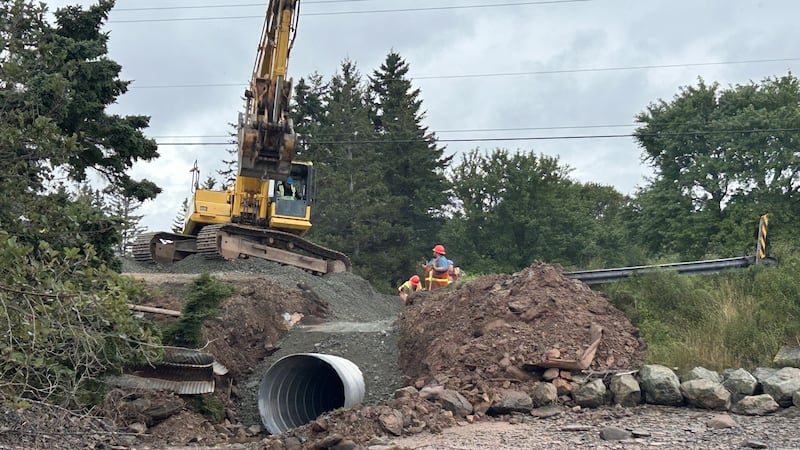
Residents in Bearspaw are once again fighting a proposed gravel pit development northwest of Calgary, saying the project would bring more pollution, traffic and industrial activity to an area already surrounded by existing pits. The proposed Scott Pit project by Heidelberg Materials has been rejected three times by Rocky View County over the past three decades. However, changes made by the provincial government moved the project out of municipal hands and into a provincial review process overseen by the Natural Resources Conservation Board (NRCB). Rocky View County says residents have repeatedly raised concerns about groundwater, dust, traffic, noise and cumulative impacts on the Bearspaw community. “Previous applications for gravel extraction at this location were considered through the county’s municipal process and refused,” the county said in a statement. The county says it continues to monitor the process and participate where appropriate, but is no longer the primary decision-maker. There are several other gravel mining operations in the area north of Calgary. Bearspaw resident Chris Bloomer says adding more pushes the limits of what residents can bear. “It’s going to have a tremendous impact on the lifestyle, the environment,” Bloomer said. “These gravel pits, they are total destruction of the environment, of the ecosystem, the water, the air.” Bloomer says residents are also frustrated that the future of the project is no longer being decided locally. “I think the way the process has gone, it stripped the community of its ability to participate and to put forward their concerns and to be heard,” Bloomer said. “It’s also really shockingly stripped the counties of their ability to have anything to say about this.” Heidelberg Materials says the project is being reconsidered because of growing demand for construction aggregate in the Calgary region. “Aggregates are used in important projects like housing, roads and bridges, office buildings and other critical infrastructure needs,” the company said in a statement. The company says the project’s proximity to its existing Spy Hill processing plant would allow material to be transported by a 4.5-kilometre overland conveyor instead of trucks. “This means we can significantly reduce traffic, dust, noise and emissions on local roads, as compared to truck transportation,” the company said. Resident Lynn Nichol says the latest proposal has reopened a battle many in the community believed had already been settled. “How many more times do we need to say no?” she questioned. Nichol says residents are worried about dust, noise and vibrations from another pit operating close to homes. “How can you sit on your patio and enjoy your beautiful surroundings when you’re listening to the vibrations in the gravel and the noise, which they’re saying they go through 24/7.” Heidelberg says issues including dust and noise would be addressed through “design features, operational processes and monitoring programs.” The company also says that if approved, the pit would operate for roughly 25 to 30 years, with progressive reclamation taking place throughout the life of the project, before the land is eventually returned to agricultural use. Resident Rod Lipman’s home sits immediately adjacent to the proposed site. He says another gravel pit would magnify problems already caused by nearby operations. “You have to consider the cumulative effects of gravel, so we already see the effects of four other pits,” Lipman said. “Put another pit right next door to us – it magnifies, almost exponentially, the effects.” Lipman also criticized the province’s decision to move the approval process away from the municipality. “The whole plan to take any sort of decision-making powers away from the municipalities, I think is really a bad decision,” Lipman said. “The municipal governments work with the people, work with the character of the areas that they’re involved with, and they know what’s going on.” The board says Alberta Environment and Protected Areas determined a full environmental impact assessment was not required for the project. The NRCB says Heidelberg has not yet submitted its completed application but indicated it expects to do so later in 2026. Once the application is deemed complete, the NRCB says it expects a public hearing will be required before a final decision is made on whether the project is in the public interest. The board said it aims to issue a decision within 80 business days after the conclusion of a hearing.