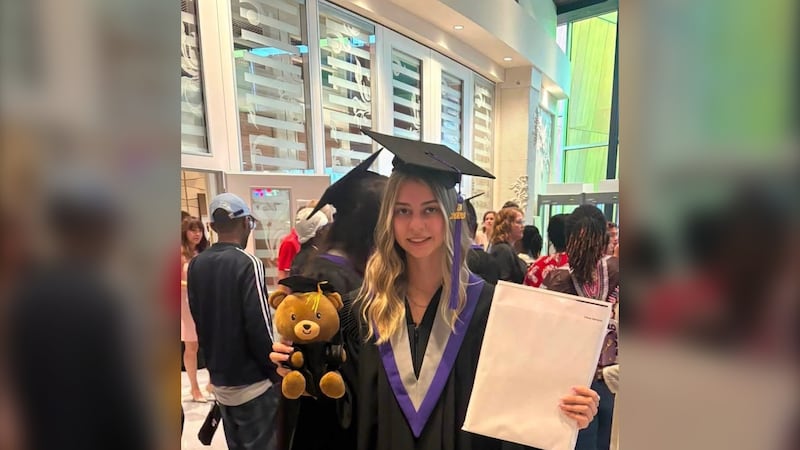
Patients of Calgary’s cancer centre can no longer reach a doctor on the phone about medical concerns on evenings, weekends and holidays. The after-hours oncology line for patients of the Arthur J.E. Child Comprehensive Cancer Centre ended in December 2025. Acute Care Alberta says patients can now call to speak with a registered nurse at Health Link, the 24-hour line that provides Albertans with health information. “For symptom management that is required after hours, Health Link has been an established avenue for care for several years for cancer patients at the Cross Cancer Institute in Edmonton,” read a statement from Vanessa Gomez, a spokesperson for Acute Care Alberta. Gomez says Health Link protocols for cancer patients have been reviewed and endorsed by oncologists and hematologists. “Cancer patients can expect the same high-quality advice for symptom management during the transition from AHS to Health Link,” said Gomez. “The after-hours oncologist/hematologist line had been in place at the Tom Baker Cancer Centre and transferred over to Arthur Child with the move in fall 2024,” read a further statement from Gomez. “This change is consistent with the approach already in place at the Cross Cancer Institute, ensuring alignment across provincial cancer care services and allowing the oncologist/hematologist on-call to respond to urgent/emergent patient needs coming from acute care sites and urgent consult requests through RAAPID (Referral, Access, Advice, Placement, Information and Destination).” While the support of medical professionals is key, a young Alberta cancer survivor says a community helpline can assist in other ways. Caitlin Orikasa was 20 years old when she was diagnosed with an aggressive type of blood cancer. She kept it quite private for a while but became overwhelmed and in search of hope. She eventually called the Cancer Information Helpline. Now 24, she is in remission and hopes sharing her experience lets others know that support is available for anyone looking for more information about cancer, including current and past patients, family, friends and health-care workers. It doesn’t offer medical advice but can connect people with regional and national programs and services, including financial assistance and transportation. “Even stuff I didn’t ask, they answered, and it was like, ‘Oh, I didn’t think of that,’ and it was just nice. You feel less lonely, and you feel heard, because when you do get sick, you do feel a little invisible,” said Orikasa. The Cancer Information Helpline (1-888-939-3333) is free and its specialists provide compassionate support and practical advice including available programs and services. It’s available Monday to Friday from 7 a.m. to 5 p.m. “I was just very lonely, and I didn’t want to burden anyone in my life, and they were there. They know exactly how to talk to you and what to say to you,” said Orikasa. In 2025, the line received 25,800 calls and inquiries, but only five per cent (1,376) of them came from Alberta. “We have seen a shift that they are able to sort of Google something or AI something, if you will; sometimes, having that human touch can also really help understand a little bit further,” said Michael Budge, National Cancer Information Helpline senior manager. He said people can also access support through email, online or over the phone anonymously if they prefer to keep their name and information private. “We try to think of things that you might need right now, but more importantly, I give you some pointers and tips on what you might be looking for in the future as well,” said Budge.