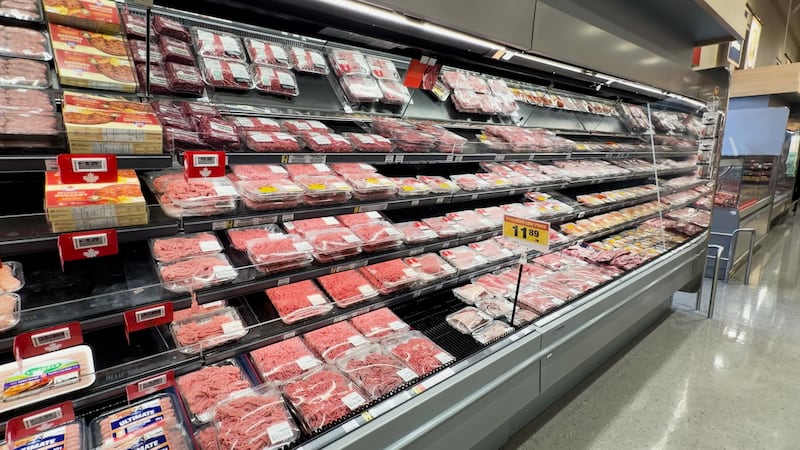
Canadians paid four per cent more for groceries in September compared to a year ago, according to Statistics Canada. The biggest price hike was for roast and ground coffee at 41 per cent year-over-year (YOY). It’s thanks to extreme weather causing crop issues, as well as labour issues and tariffs. “Some of our smaller roasters are buying from brokers in the U.S., and during the summer, when we had retaliatory tariffs, those tariffs included coffee,” said Mike von Massow, University of Guelph food economist. “We’ve had some social changes in regard to areas that we would like to access coffee from based on who picks it. It’s reduced the market to a certain extent,” said Michael Graydon, CEO at Food, Health and Consumer Products Canada. Prices for fresh and frozen ground beef increased 17.4 per cent YOY, and nuts and seeds at 15.7 per cent YOY. “With beef, it’s a bit of a hangover from extreme weather a couple of years ago in the Canadian West and in the Midwest of the U.S., where we had very dry weather in the summer, low snow over in the winter. So, there was low moisture, high grain prices, lower availability, less grass, less hay. Farmers shrunk their cow herds a little bit,” said von Massow. Food prices have been rising steadily since April 2024, and it’s caused an increased demand in the Salvation Army’s food hamper program in Forest Lawn. “Food insecurity is a growing concern in Calgary. Just looking at the rising cost and inflation, it has become a struggle for Calgarians to meet their basic needs like food,” said Gurleen Mehta, Salvation Army family program manager. “It is a huge concern. We see more than 1,000 people walking through our doors every single month because they cannot afford food, even if they are working.” With many of the same inflationary conditions remaining in place, those who track food costs expect the upward pressure on prices will only continue. “It’s a very challenging time. I think we’re now in sort of four consecutive periods of inflation. I anticipate in 2026 it is going to continue. It’s going to be a very tough road,” said Graydon. “From an affordability perspective, I think you could see as much as, for instance, a 20 per cent increase in the cost of chicken. As you start to look at the centre of the plate, protein products like beef and chicken and pork, I think you’re going to continue to see some fairly significant inflationary impact. I don’t see a short-term solution to the climate change issues that are impacting orange juice, cocoa, coffee and those types of products.”