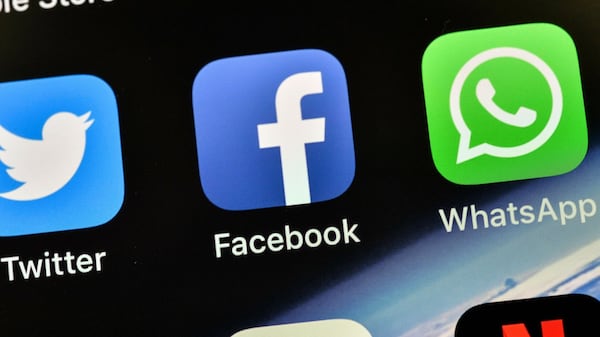
With the holiday shopping rush nearing its climax, many Canadians are turning to “buy now, pay later” plans to stretch their dollars. However, a University of Calgary professor is cautioning consumers about the potential pitfalls associated with these instalment payment options. “If we take the price of an item and divide it into instalments, there is a psychological difference to what people are spending, so they don’t realize it, but often they actually end up spending more than they would otherwise, and they’re more likely to buy an item,” said Alex Bierman, UCalgary sociology professor. Bierman suggests the drive behind some spending habits often includes a significant emotional element. “One of the most under-realized aspects of financial problems is people feel like they don’t matter. People feel like they’re less than other people,” Bierman said. “I think that needs to be taken into account that when people use “buy now, pay later” and when they take out payday loans, what they’re trying to do is show they’re still a functional human being in society.” Albertans’ spending habits evolve The average Albertan is expected to spend $1,532 on gifts, travel and entertainment this holiday season. That’s an eight per cent decrease from last year, according to PwC Canada’s Holiday Outlook. Elisa Swern, PwC Canada’s national consumer markets leader, notes economic conditions are leading to more cautious spending. “Given what’s going on in the economy, I think discretionary spending is being compressed,” Swern said. “People are spending, but they are being cautious, looking at things like promotions and different types of discounts they can make use of to help stretch their dollars for the holidays.” The data for the PwC Holiday Outlook was gathered from a survey of more than 1,000 Canadians.