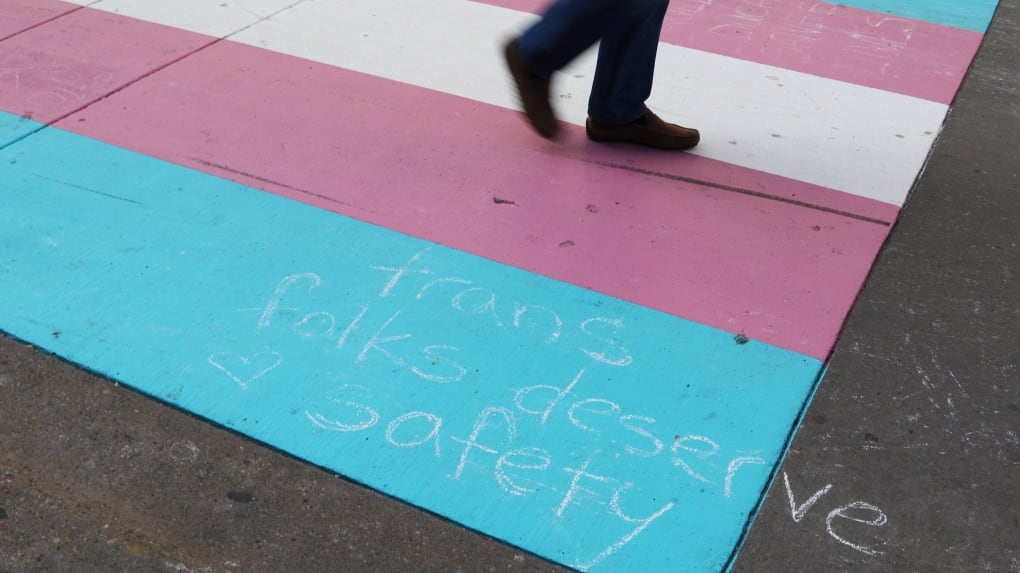
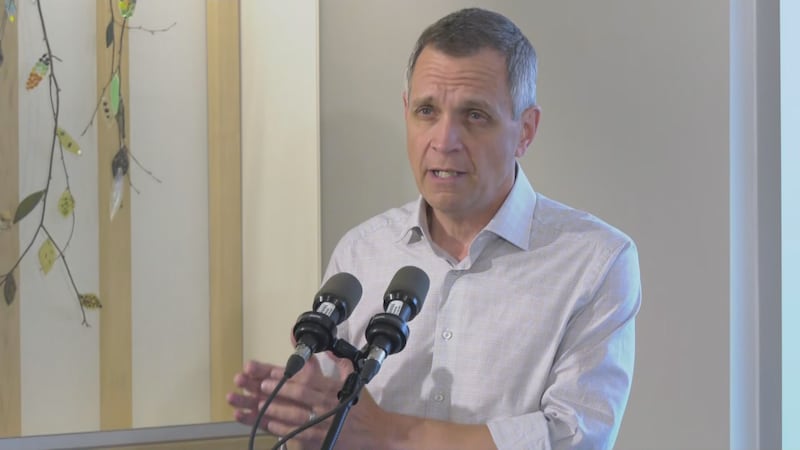
A First Nation north of Edmonton wants to be a safe haven for anyone seeking gender-affirming care. Saddle Lake Cree Nation announced on Wednesday its intentions to create a new health law to regulate health care on its lands and territories – including protecting clinicians providing gender-affirming treatments currently banned by the Government of Alberta. “As a sovereign Nation and rights holders under Treaty No. 6, our primary responsibility is to protect the health, dignity, and life of every person who comes to our territory,” Saddle Lake Chief Dale Steinhauer said in a media release. The Nation said health care is a Treaty right and should full under its own jurisdiction. It explained it would create the health law via a commitment in Treaty No. 6 promising “that a medicine chest shall be kept at the house of each Indian Agent for the use and benefit of the Indians.” That commitment, the Nation added, must be understood in the context of current health needs, which would include gender-affirming care. “Anti-trans laws are a profound violation of Treaty No. 6. They fail to uphold the spirit and intent of the ‘Medicine Chest’ clause in our Treaty,” Dr. James Makokis, a Two-Spirit family doctor, said. “The Saddle Lake Cree Nation categorically rejects these attacks on all gender diverse peoples, including Tastawiyiniwak — our two-spirit relatives — ensuring that life-affirming healthcare remains accessible, safe, and protected from external political interference.” Saddle Lake Cree Nation said it hopes to eventually bring in Canadian-trained clinicians to practice gender-affirming care, primary care and specialist care on its reserved lands and territories -- for Nation members and visitors. If its plan succeeds, those clinicians, it added, would be exempted by the First Nation from any sanctions by professional bodies related to administering banned care. CTV News Edmonton has reached out to Alberta Minister of Indigenous Relations Rajan Sawhney, and Canada’s Minister of Crown-Indigenous Relations Rebecca Alty, and is awaiting a response. Legal challenges The Alberta government has faced challenges since it signed into law a series of policies related to trans and non-binary youth, including banning puberty blockers for youth under the age of 16. The province has maintained the policies are to protect children from making life-changing decisions, while medical experts and LGBTQ2S+ advocates have decried the policies as harmful and not grounded in science. In 2024, Egale Canada, Skipping Stone and five Alberta families launched a legal challenge against the province, arguing the policies violate multiple Charter rights. In November, the Government of Alberta used the Charter’s notwithstanding clause to protect the legislation after a temporary injunction was granted by the Court of King’s Bench Justice Allison Kuntz, who said the law banning gender-affirming care for youth was likely to cause irreparable harm. With files from The Canadian Press