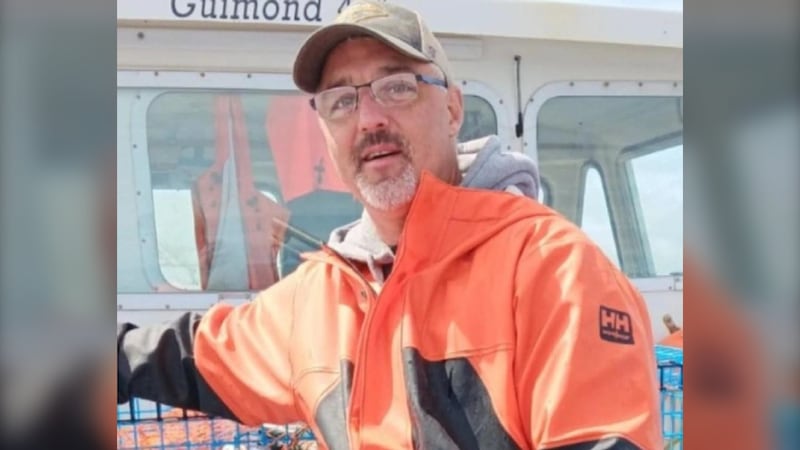
For those attending Ag in Motion this week near Langham, there’s an opportunity to learn more about farm succession planning and a push to make it easier for family farms to stay in family hands. For Nathan Kuhn, a family farmer near the town of Reward, in west central Saskatchewan, succession planning isn’t just about preparing for the future; it’s about ensuring the family farm survives for generations to come. “There is a need to start to change these policies so that we can have good, strong farming communities in the next 10 years,” Kuhn told CTV News. He added tight profit margins, rising input costs and the tax burden facing successors can make it more difficult for younger family members to take over. “We’re farming for legacy right now. We want a farm that will continue on through the generations. And if I can hand that farm to my brother’s children, it’s more empowerment to the family farm.” He said keeping farms in the family also plays an important role in Canada’s long-term food security. One of the things that the Farmstrong company does is help farm families with succession planning. They are urging Ottawa to expand the capital gains exemption, so it also applies when farms are transferred to nieces and nephews. Founder and CEO Derryn Shrosbree said making this change would have a big impact. “Adding nieces and nephews will definitely increase the number of farmers that have the ability to keep those farms in the families. Hundreds, if not thousands, of family farms would be saved,” he said. The president of the Saskatchewan Association of Rural Municipalities, Bill Huber, agreed the issue deserves attention. “Some families that say, ‘Well, you know what, if the tax is going to be this high or it’s going to cost this much to transfer my land or my property to a family member, maybe I can sell it to a corporate investor,’” Huber said. He admitted that large corporate farms play an important role in agriculture but stresses that family farms remain the backbone of many rural communities. That’s because family members often take on roles in towns, villages or rural municipalities. This is not always the case when corporations take over operations. “They tend to maybe have a headquarters located somewhere else, not close to that particular operation. Their employees don’t become involved in the community like the family tradition.” In a statement to CTV News, Agriculture and Agri-Food Canada said it would not comment on hypothetical policy proposals but noted that pre-budget consultations are underway. “We want to hear from stakeholders and industry as we work to advance a growth and competitiveness agenda while providing support for Canadian sectors during this period of global uncertainty. We encourage everyone to share their ideas.” With Ag in Motion drawing tens of thousands of producers through Thursday, Farmstrong said it hopes the conversation around farm succession will continue well after the show wraps up for the future of family farming.