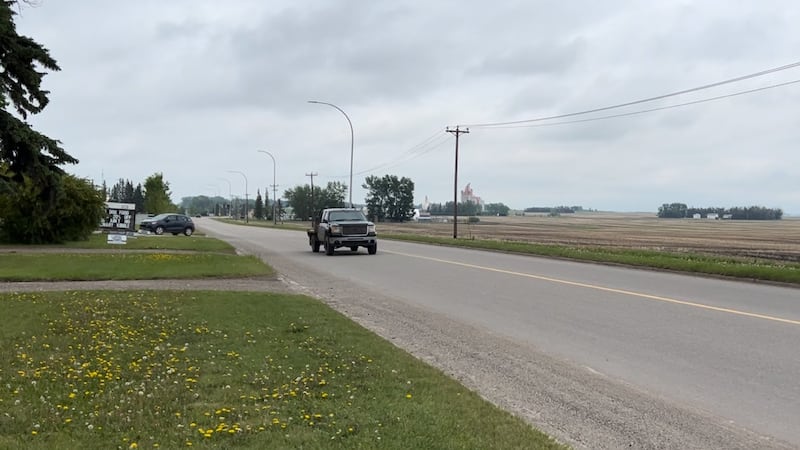
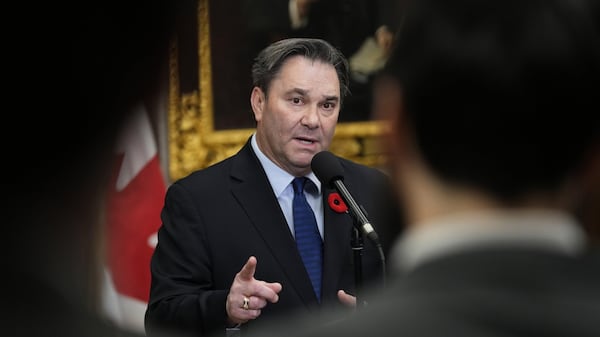
Windsor City Council will discuss a major financing plan Monday that could pave the way for long-term growth in the city’s Sandwich South lands. Coun. Kieran McKenzie says the proposal, costing $280 million, represents a critical step in unlocking development in an area long identified as Windsor’s primary growth corridor. “Tomorrow, we’re going to deal with essentially the financing plan which is going to fund the future of our city,” McKenzie said. “The Sandwich South lands, when we acquired that, it was always envisioned as the area where we would see growth in the City of Windsor.” The lands are expected to see significant industrial, commercial and residential expansion over the next two decades, driven by population increases and economic development. “Over the next 10 to 20 years, this is the part of the community where you’re going to see the greatest amount of industrial, commercial and residential new investment in the city of Windsor,” he said. If the investment proceeds, McKenzie estimates population growth could be in the tens of thousands which will require a substantial increase in housing supply. “We’re already in the midst of a housing crisis, so we’re going to need to build additional housing stock,” he said. At the same time, McKenzie points out there is a shortage, in both the city and across the region, of serviced undeveloped industrial land. “We have a small amount at the airport. There’s a couple of parcels in the region that are also potential sites for development. Nothing that is currently serviced,” McKenzie said. He feels the region needs ready-to-go lands that can be used to attract industrial investment and capitalize on economic opportunities, including those tied to the nearby NextStar Energy battery plant. “That’s a huge part of the benefits of having the battery plant in the first place because of all the spin off and the supply chain that needs to fill in as a result of that facility being in our community,” said McKenzie. ”We need to make investments as soon as we can to get these lands ready.” McKenzie says the proposal envisions the debt being serviced through future development charges and not through taxpayers’ dollars.