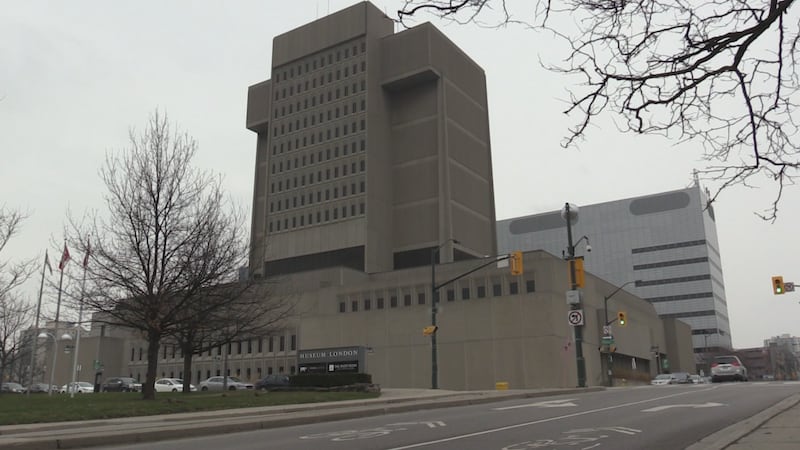
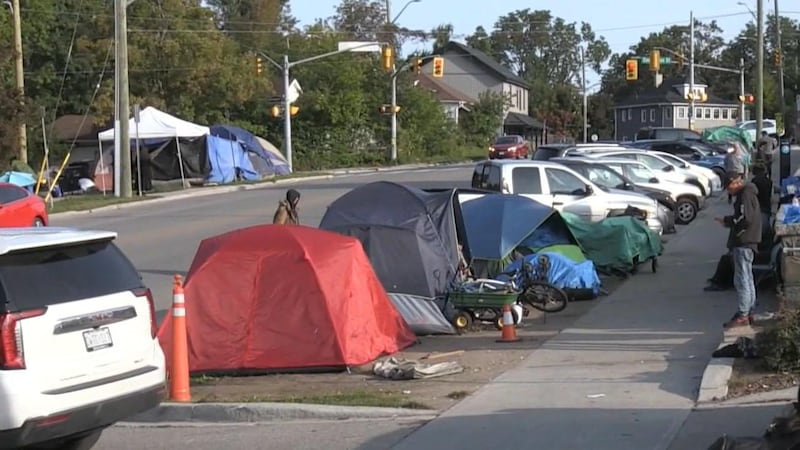
Windsor city council has endorsed the ‘Village at The Barn’ concept, allowing the city to continue studying a proposal to convert the former Windsor Arena into roughly 100 pod-style supportive housing units. The decision does not amount to final approval to construct the project, which carries an early estimated cost of between $55 million and $60 million. Instead, administration will move ahead with environmental and structural investigations, community consultation, and detailed design work while seeking financial support from upper levels of government and other funding partners. The proposal would place modular sleeping units inside the arena at 572 McDougall Street, next to the city-owned Homelessness and Housing Help Hub, known as H4. Residents would have access to shared dining areas, washrooms, showers, laundry facilities, program space, and on-site health services. The report describes the project as “supportive housing” intended to bridge the gap between emergency shelter and permanent housing. Unlike an emergency shelter, where people generally stay overnight and leave during the day, residents of the proposed village would live in their units and pay rent while receiving wraparound support. The concept is based on the Avivo housing model in Minneapolis, which Windsor Mayor Drew Dilkens and Ward 3 Coun. Renaldo Agostino toured earlier this year. Dilkens said the city regularly hears from downtown business owners frustrated by public drug use, homelessness and disorder outside their properties, asking what Windsor is doing to address the problem. “This is our plan,” Dilkens said. “We didn’t just come up with this out of thin air. We’re modelling it after a plan that is in action, that is working.” He stressed that the process remains flexible and that a future council could still change direction after receiving more information about the building, property, and projected costs. Several councillors acknowledged that the plan remains preliminary and that critical questions about funding, operations, and long-term capacity remain unanswered. Coun. Renaldo Agostino, who moved the administrative recommendation, said the city has spent years examining different approaches and argued the Minneapolis-inspired model represents the strongest option reviewed so far. “Anything that delays this project is not an option,” Agostino said. “The urgency is too great. The need is too great. It’s time to stop looking and it’s time to start doing.” Coun. Kieran McKenzie described the project as an attempt to fill a missing part of Windsor’s housing system by giving people a place to stabilize after leaving an encampment or emergency shelter and before moving into permanent housing. “Today we have the opportunity to put that process in motion. And if we were not to proceed with this today, we’re back to square one,” said McKenzie. Coun. Jo-Anne Gignac said the proposal would not solve homelessness by itself and urged the provincial and federal governments to contribute to both the facility and the services residents would require. Coun. Fred Francis attempted to add a friendly amendment asking administration to examine the cost of demolishing Windsor Arena and constructing a new facility, but the amendment was not accepted. “I can’t support an all-or-nothing concept when I know there can be a viable alternative,” said Francis. “If it was both options, no problem. You’d have my full support. But an all-or-nothing without considering a clean site with a brand-new development, I just can’t support that.” Francis argued a purpose-built facility could offer more flexibility if Windsor’s needs grow beyond the approximately 100 units proposed. The report says the city cannot fund the full project through its existing capital plan without significantly reprioritizing other spending. Provincial, federal, and private funding would therefore be critical. The report cautions that environmental work at Windsor Arena, which has been vacant since 2013, could take between eight and 10 months if few problems are found, or as long as 35 months if significant remediation is required. Administration is expected to return to council in spring 2027 with clearer information about the site, the arena’s structural condition, the proposed service model and how the project could be financed and operated. Council also approved a pre-commitment of $2.5 million in previously approved 2028 funding for additional work at the neighbouring H4 facility. That work could include a generator, kitchen, administrative space, and roof repairs identified during the ongoing shelter expansion.