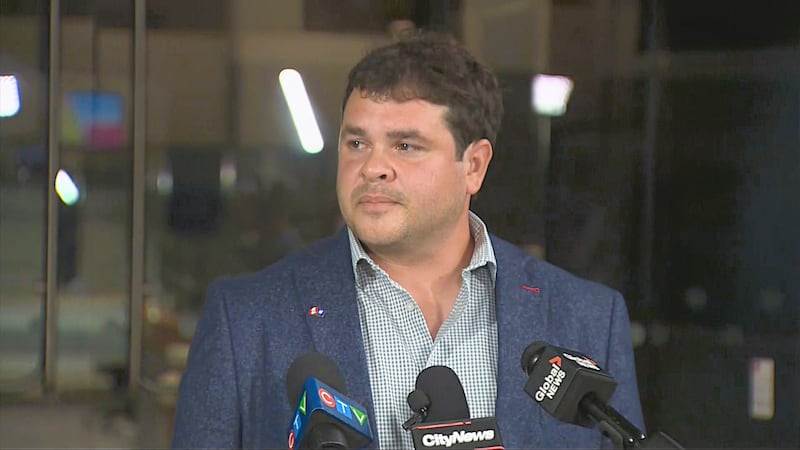
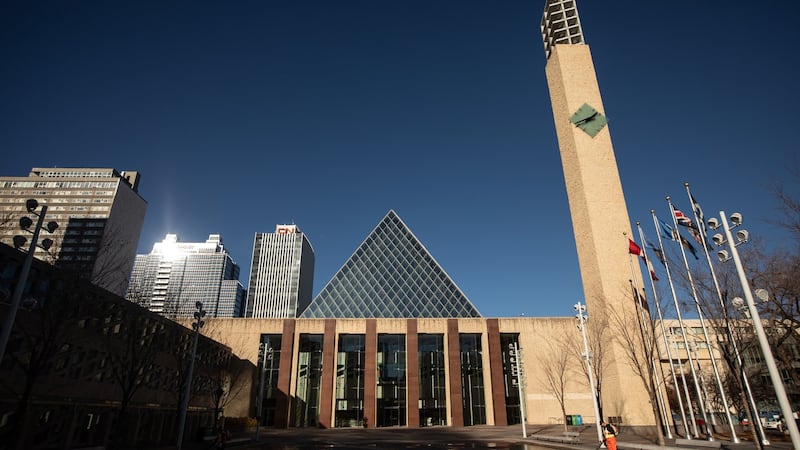
A bylaw long-awaited for by many businesses neighbouring derelict commercial properties was passed by city council Tuesday. The bylaw establishes a derelict non-residential property assessment and subclass, similar to a bylaw implemented on residential properties in 2024. “With the residential derelict bylaw, that has allowed us to either see those derelict properties demolished or turned into something better or to actually being fixed up and contributing to the community,” said Mayor Andrew Knack. Through the bylaw, the city will be able to tax commercial property owners at a higher rate, incentivizing them to deal with problem properties. Ward Métis Coun. Ashley Salvador says there are many non-residential properties that have caused problems in her jurisdiction. “In the area I represent, there have been some really alarming structure fires that have happened at these derelict properties that have caused damage to neighbouring properties and just made areas generally less safe,” said Salvador, who introduced the residential tax subclass in 2024. One such fire at an abandoned commercial building impacted local music venue, The Aviary, in January. “That’s deeply concerning when that’s happening right next door, and it has ripple effects throughout the community,” said the councillor. “Adding this additional tool of tax subclass, I think, is a really important step.” Edmonton was the first city in Canada to implement a derelict residential tax subclass in an effort to address abandoned and problem properties. “That has been a successful program,” said Knack. “So successful that many municipalities across the country have reached out to us to see how they can bring it to their municipalities.” The city defines derelict or problem properties as those which are occupied or unoccupied residential and commercial that have significant harmful impacts on the surrounding community and often have histories of recurring violations relating to development permits, safety codes, nuisance conditions, public health, fire risk, or other illegal activity. Knack said there is still some more work to do before enforcing the bylaw. With files from CTV News Edmonton’s Jeremy Thompson