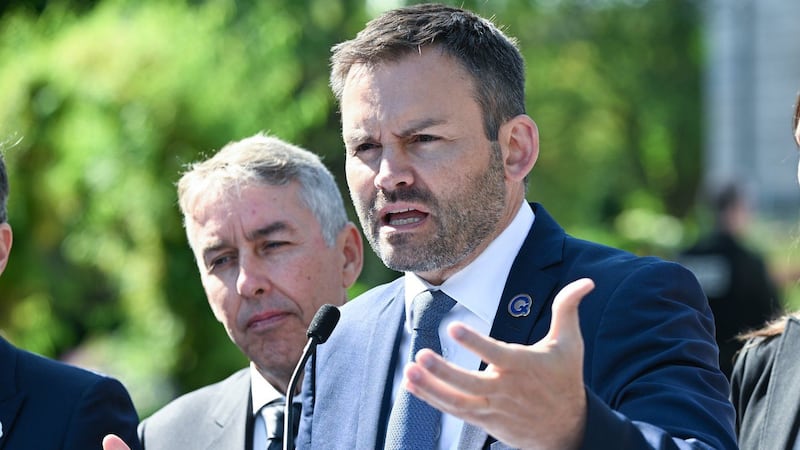
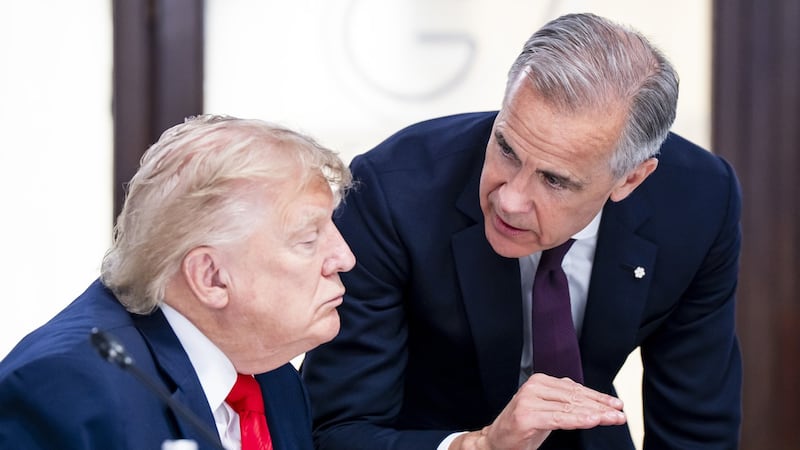
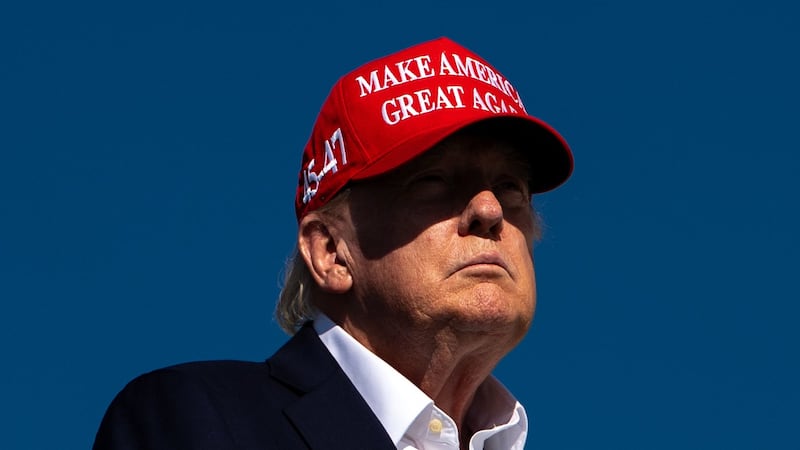
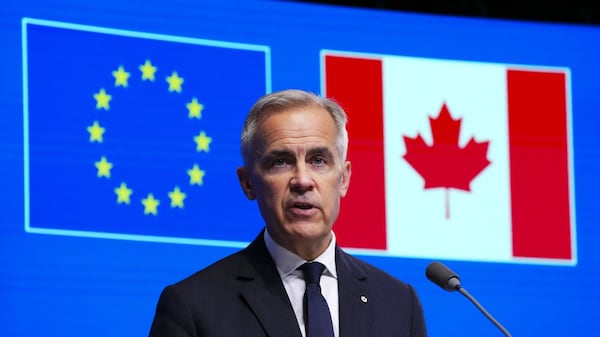
Calgarians worried for loved ones in Iran are gripped with fear but divided on what should happen next if a two-week ceasefire proposed between Iran and the United States should not hold. “(We are) in shock and pain and uncertainties everywhere,” said Riyaz Khawaja, a peace activist from Calgary. He works with the group Voice of the Oppressed, which organized a peaceful rally in Calgary last month when the war started. Many local Iranians at that rally celebrated the possibility of a new era for that country. Bahareh Zare Bahari escaped Iran as a political refugee, coming to Calgary in 2021, and says violence began escalating in Iran this year. “I have a lot of relatives back home that it’s been like two months. I never heard from them. One of them was shot last time that I talked to him and I don’t even know if he’s alive,” she said. Bahari added many of her family and friends have been killed and she’s trying to stay in communication with others who fear for their lives right now. On Thursday, U.S. President Donald Trump gave an 8 p.m. ET deadline for Iran to reopen the Strait of Hormuz — a vital water way through which a fifth of the world’s oil is shipped — otherwise “a whole civilization will die tonight never to be brought back again.” Iran responded by saying it would “deprive the U.S. and its allies of the region’s oil and gas for years” if Trump followed through on his threat. An hour before the deadline, Trump pulled back on his threats, agreeing to a two-week ceasefire and the reopening of the Strait of Hormuz as suggested by Pakistan, which has been acting as a mediator between the warring countries. Iran and United States have not yet formalized an agreement. In Calgary, some Iranians think foreign military intervention is necessary to stop an oppressive and violent regime. “All I know is that this regime should come to an end. This is the only hope that’s left for us,” Bahari said. Others say the answer lies with diplomacy. “There was no reason to invade Iran at this point because negotiations were going on and they should have focused on the negotiations,” Khawaja said. “Ultimately anything can be resolved by peace and dialogue.” Meanwhile in Ottawa, Prime Minister Mark Carney urged the U.S. to proceed with caution, saying striking civilian targets is a war crime. “Canada expects all parties in this conflict, in any conflict to respect any international laws the rules of engagement not targeting certainly civilians or civilian infrastructure,” Carney said on Tuesday, ahead of the deadline. Iran says safe passage though the Strait of Hormuz will happen during the two-week ceasefire. Iran wants full compensation for reconstruction costs, its assets unfrozen and all sanctions against the country ended. In return, Iran said it will commit to not seeking possession of any nuclear weapons. Trump did not immediately respond to the demands.