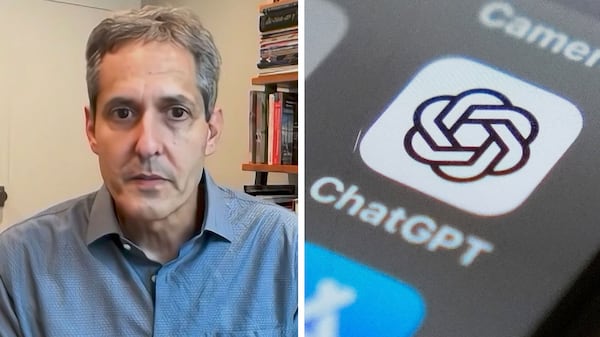
Registered psychologist Lisa Rowbottom joined CTV Edmonton’s Your Morning host Kent Morrison on Monday to explain what the bystander effect is and how to counteract it. According to Rowbottom, an “awful” crime case in the 1960s piqued the interest of psychologists who were curious why a large number of witnesses did not step in to help. “They found that they can replicate it over and over and over again – that the more people that are present when a situation occurs, the less likely you are to get any help,” Rowbottom said. “If there’s one person, they were around 80 per cent likely to help. If there were two, it dropped to like 60 (per cent). And if there were five, it went way down.” This “diffusion of responsibility” is the concept on which the bystander effect is built on, she continued. “Basically, people are looking at what everyone else is doing and thinking, ‘Well, somebody else will do that. You know, I don’t have to do that. Someone else has got it,’” Rowbottom added. So why does the bystander effect occur – not being able to act in an emergency situation – when others are present? “They actually found that we will base our responses on what the rest of the group is doing,” Rowbottom replied. “So not only do we assume someone else will do it, but then … if nobody’s moving, people tend to get confused and do nothing because they’re not quite sure what to do.” To counteract it, Rowbottom says to “learn to be attentive” and “not rely on what everyone else is doing.” “Be the one who moves, and just make that your stance because they also found that all it takes is for one person to start moving and everybody else will then start moving to help,” she said. Adding, that initiating a response is the most important step to combatting the bystander effect regardless of your expertise, strength or uncertainty in the critical moment. “If somebody initiates, you’re going to get more people. But people don’t think to be the one who initiates,” Rowbottom said, encouraging people to take action to help save others in an emergency. More information about Rowbottom and her team can be found online at sojo.ca.