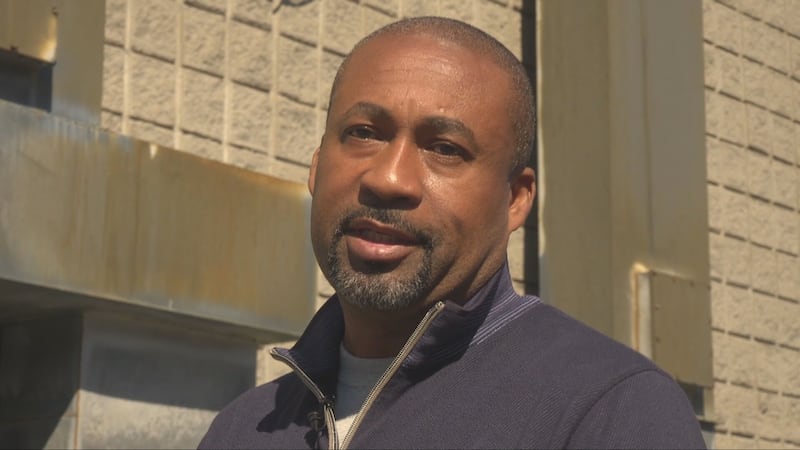
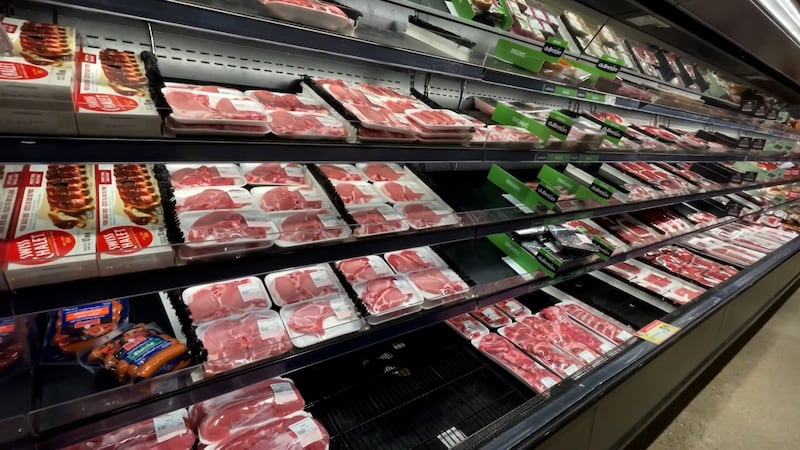
With holidays such as Canadian Thanksgiving and Christmas approaching, Saskatchewan residents can expect to spend more on holiday related food items within the next few months. “Many commodities are actually more expensive right now compared to last year,” said Sylvain Charlebois, director of Agri-Food Analytics Lab at Dalhousie University. Charlebois says that Canadians can expect to see a 0.6 per cent increase of food inflation by the holiday season. Compared to last year, he says that common holiday meats such as turkey are expected to rise 2.5-three per cent, while ham could rise five to seven per cent. Those that CTV News spoke to are prepared for the continuous rise in food costs. “I have two daughters and my wife, and between the four of us, I used to get away with a few hundred dollars a month. Now what I find the difference is, I check the fliers all the time and I check sales. I’m not only going to Superstore today, but I’m going to Walmart and Costco. I have to shop around because if I just buy items at one place, it tends to be more than I can afford,” said one shopper on Friday. “All the healthy stuff’s gone up. Anything you want to keep your family healthy; it’s skyrocketing. It’s ridiculous,” said another shopper. Charlebois says a big factor in the rising food costs is the price of diesel. “The correlation between diesel prices and food prices is 0.89, knowing that 1.0 is the perfect correlation,” he said. “So, 0.89 means that within four weeks to eight weeks, we should see many food categories being impacted by higher diesel prices.” While Charlebois says the rising cost of wheat may be good news for farmers, the price of diesel can be devastating for them. According to the Agricultural Producers Association of Saskatchewan (APAS), fuel prices have risen more than 50 per cent since last year. Farmers will have to absorb those extra costs - which could add up to more than $5 an acre. “We’re certainly in the middle of harvest now, this is the time of year when farmers are using the most diesel throughout the year running combines, swathers, tractors, trucks, and augers,” said Bill Prybylski, the president of APAS. “The whole system is consuming diesel to get the job done.”