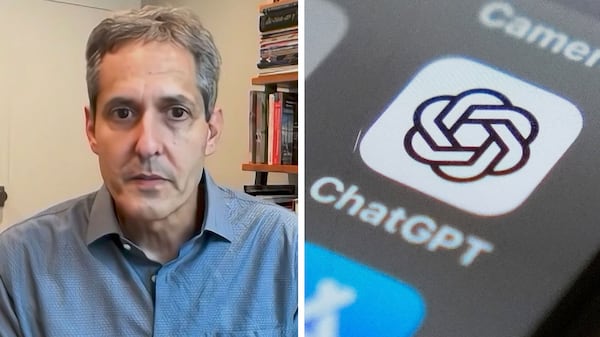
The Canadian government has vowed to restrict social media for kids under 16, which could drastically change the lives of many people in the fall, but are children turning away on their own already? Media consultant Mohit Rajhans with thinkstart.ca joined CTV Your Morning Edmonton’s Kent Morrison on the implications of a social media ban. This transcript has been edited for length and clarity. Kent Morrison: Let’s start with the Canadian government’s pitch. What pushed this into the conversation of the mainstream and governments talking about it, not just a tech issue? Mohit Rajhans: We’ve been talking about this for over a decade now. We are in a situation where we’ve seen the harms of social media actually be documented. The data is out. There’s been lawsuits around the world about the impact of social media. This has been a long time coming. The Canadian government has shown an actual interest in trying to protect young people from the harms of social media, but that’s not really going to be the full solution here. We can’t just ban our way into education when it comes down to protecting our kids online. Kent: Beyond the ban, what else needs to be included? Mohit: There’s some fatigue happening right now. There is an entire generation that doesn’t really understand if this is their parents’ internet. Are the mistakes already made? Is the data being gathered? What has to happen now is we need to reboot what media literacy means for an entire generation. They need to understand that their phone is a tool now and not just a bunch of apps where they can be scrolling and wasting their time. But that happens at all levels, the parenting level, the education level, and definitely from a socializing level because not all kids are on the same page about their social media use. Kent: Oftentimes the youth is ahead of the curve when it comes to older people and governments making these laws and rules. Are kids, the younger generation, already turning away from what we think of as traditional social media? Mohit: One of the things I’ve noticed is kids are asking their parents to untag them from pictures, to not leave their digital footprint prior to when they’re ready to engage online. Think about how many kids over the last 20 years and their birthdays have been celebrated on things like Facebook and Instagram. There’s definitely a take right now of a generation that wants to be removed from their unwarranted digital footprint and that’s exactly where we are. We have a generation that’s empowered as a result of knowing that things like social media might be dangerous, but what is it that they’re going to do to go back and clean up some of the harms that have already been done? I.e. their pictures are already being used online, their likeness being shared by family members, that’s the next phase of this that parents need to know about. Kent: How do we marry this together if the government goes ahead with this ban for kids under 16? When it’s people older than 16 that have created this footprint, how do we put those together to try to do the best for everybody? Mohit: I’m interested to find out what the government playbook is because it has to trickle down to the education level first. Just last year, we had bans on cell phones inside of classrooms. Are the same teachers going to ban social media use? Every single school has a social media account, so there’s a lot to unpack. The one thing I want to mention is parents can’t be ignorant and expect the government to be doing all of the cleanup here. Instead, parents have to get back to those parent council meetings to talk about what’s the new version of cyber bullying, what’s the new version of media literacy. That way, it’ll trickle down to all the changes that we need to see in the next couple of years. Kent: What about the move to going to so-called, “dumbphones” as opposed to smartphones and taking the tech out? Mohit: It’s funny because that was the original premise that I wanted to chat about, which was the idea that there is a generation that loves not being connected online. There’s also a massive utility to using social media when it comes down to kids connecting with each other culturally or as a part of sports teams. I think what’s happening is that the “dumbphone” idea, the less connected to the internet, is just to protect your peace. It’s a little bit of the idea that a generation doesn’t have to be connected to social media all hours of the day just to feel like they’ve got some value. I like the idea that some people are turning to it, but I feel like it’s a little bit of a trend.