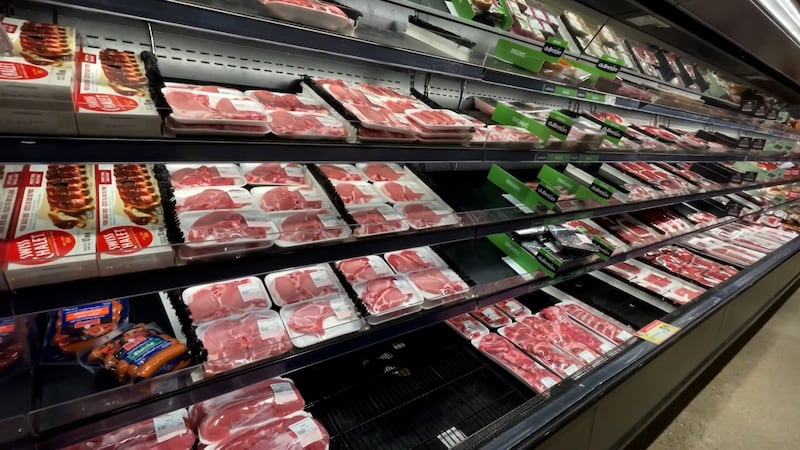
Barbecues, potlucks, picnics and more. With summer being packed with outdoor events, there are more food safety risks to consider. Home economist Jodie Kachkar joined CTV Your Morning Edmonton’s Kim Wynn to share food safety tips for summer gatherings and a pasta salad recipe. This transcript has been edited for length and clarity. As people often move cooking outside or out of the house during the summer season, one home economist is reminding you to be mindful of some safe food handling tips so that no one becomes sick. Proteins like eggs and meat are considered high-risk foods, which means they’re more likely to carry food-borne illnesses that can make people sick, like salmonella or E.coli. Other foods can spoil in the heat which are less likely to make you sick, but it’s better to be safe than sorry. “The key things to remember are clean, separate, cook, chill, temperature and time,” said home economist Jodie Kachkar on CTV Your Morning Edmonton. Clean: keep your hands, work surfaces and serving utensils clean. Remember that you need to either clean an item or use a different item when switching between a raw food and a cooked or ready to eat food. Separate: keep raw foods/meats from ready to eat or already cooked foods. If you are heading to a barbecue with raw foods to cook there, make sure they’re packed in a cooler with ice packs and wrapped to prevent juices leaking into anything else. Cook: when cooking food items (meat especially) the only way to know if it’s safely cooked is to use a thermometer. Most people don’t,but if you’re unsure, please check. Know what the temperatures to watch for are. Chill: make sure you keep cool foods cold and hot foods hot. In an outdoor situation, you have a two-hour window before food must be stored and chilled. Temperature and time: the temperature “danger zone” is between 4℃ and 60℃. This is where food-borne bacteria grows rapidly. We see these bacteria in protein-rich foods (like raw meat). Foods (cooked or raw) should be in this temperature zone for only two hours before being chilled or cooked to temperatures out of the danger zone. If it’s a particularly hot day, some recommend only one hour in the danger zone. Finally: remember serving utensils and clean serving plates. Make sure you have clean, separate utensils and plates for serving cooked items (or previously prepared items). Have some way to wash your hands before and after handling food. Jodie’s pasta salad formula - (smaller batch, could be doubled) This salad is intended to use up what you have in your fridge. I usually make it with the chickpeas as they’re a good, safer protein source (especially to take to an outdoor event). They can be left out. This recipe also uses a vinaigrette/salad dressing without any mayonnaise as it can be a higher-risk food for the outdoors. Rather than make the salad dressing, you can use a store bought vinaigrette (think Italian or Greek style) instead. Jodie’s go-to vinaigrette - (Make into jar with tight lid, shake altogether) Combine all ingredients in a jar and shake until emulsified. Taste and adjust seasonings and sweetness until it’s balanced. Store in the fridge for up to one week. Dress the salad generously as the pasta will soak up the dressing. You can use any vegetables in this recipe (including leftover cooked/roasted vegetables). Additional favorites include zucchini, peas, peppers, tomatoes, and cucumbers. Optional but delicious additions include cooked ham, cooked bacon, salami, chopped sundried tomatoes, pesto, artichokes, or finely diced broccoli. If you’re taking the pasta salad to an outdoor event, do not include any meat. The total cost to make this pasta salad recipe is approximately $4.00 to $6.00 CAD based on grocery prices in the Edmonton area. This breaks down to roughly $1.00 to $1.50 CAD per serving for four servings. Ingredient cost breakdown Grocery tips to keep costs down More tips and resources on safe food handling can be found online from the International Food Information Council.