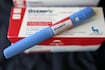
TORONTO — Health Canada has authorized a drug to treat moderate to severe hot flashes and night sweats in breast cancer patients. Elinzanetant, also known by the brand name Lynkuet, was first approved in July 2025 to treat the symptoms in women going through menopause, but another study reviewed by the department has since shown effectiveness of the drug specifically in breast cancer patients. According to Health Canada’s drug database, the new market authorization took effect on Friday. About two-thirds of breast cancers are hormone-receptor positive, meaning they need estrogen to grow. Oncologists treat those cancers by blocking the body’s production of estrogen, often triggering vasomotor symptoms such as hot flashes and night sweats. Elinzanetant — manufactured by Bayer — is a non-hormonal medication that reduces those symptoms by directly targeting neurons that can become hyperactive with a lack of estrogen. Dr. Christine Brezden-Masley, medical director of the cancer program at Sinai Health in Toronto, said women with breast cancer have had limited options to help with hot flashes and night sweats because they can’t take hormone replacement therapy like other women in menopause might. “The clinical trial with elinzanetant was the very first one that actually looked at breast cancer patients on anti-estrogen therapy,” said Brezden-Masley, who receives compensation as a consultant to Bayer. Breast cancer patients generally have to stay on anti-estrogen pills — also called endocrine therapy — for about five to 10 years, she said. The most commonly used anti-estrogen medications are tamoxifen and aromatase inhibitors, according to the Canadian Cancer Society. Chemotherapy can also put patients into menopause by stopping the ovaries from working, Brezden-Masley said. Hot flashes and night sweats interfere with women’s ability to function during the day and interrupt their sleep at night. Moderate hot flashes are defined as the feeling of heat along with sweating. Severe hot flashes are the same, but so bad they cause women to stop what they’re doing. They can be so debilitating that some patients stop taking their cancer medication to halt the symptoms — something oncologists want to prevent, Brezden-Masley said. “We work closely with them to ensure that we deal with all of those symptoms to ensure that they adhere to their breast cancer therapy so we don’t have breast cancer recurring.” That has included prescribing some drugs off-label — including anticonvulsant gabapentin and anti-depressant Effexor — to try to give their patients some relief. “We’ve been kind of pulling old drugs that would have, you know, a little bit of a benefit for our patients and decrease their hot flashes,” she said. Dr. Dave Cescon, a medical oncologist and clinician scientist at Princess Margaret Cancer Centre in Toronto, said menopausal symptoms are a major issue for many breast cancer patients and “historically have not been well addressed.” Health Canada’s review and approval of elinzanetant as an effective therapy for hot flashes and night sweats in women with breast cancer “will be very helpful,” said Cescon, who does not have any financial ties with Bayer. Laurie Legere, a 47-year-old hospital administrator living in Toronto, found a lump in her breast just before her 44th birthday. She started chemotherapy to shrink the tumour before having it surgically removed — and that’s when her hot flashes started. They were “really disruptive,” affecting both her sleep and her daily life as she continued working throughout her cancer treatment. “I would just, you know, start getting hot flashes in the middle of meetings or the middle of presentations,” Legere said. “The sleep was really, I think, the most difficult part because you’re really trying to, you’re trying to heal, you’re trying to rest and it’s just kind of impossible.” Those symptoms have continued as Legere takes endocrine therapy to prevent the cancer from coming back. She was referred to a menopause clinic, but with hormone replacement therapy off the table, the medications she’s tried either haven’t worked well or caused side effects she can’t live with. Legere has been on gabapentin for about a year, but can’t take a dose high enough to make a difference because it makes her groggy, so she’s coming off of it. She’s already got a prescription for elinzanetant. “I’m, yeah, looking forward to hopefully having a much better experience.” A spokesperson for Bayer said on Monday that elinzanetant is not currently publicly funded in Canada and did not provide the price. The expansion of Health Canada’s authorization for elinzanetant to specifically include women with breast cancer was supported by Bayer’s OASIS-4 study. Elinzanetant is a neurokinin receptor antagonist. Neurokinin receptor antagonists target KNDy neurons that can become hyperactive with a lack of estrogen and trigger hot flashes and night sweats. The Phase 3 randomized placebo-controlled clinical trial looked at 395 women between 18 and 70 years old receiving endocrine therapy for breast cancer over 52 weeks. To qualify, the participants had to be experiencing at least 35 moderate to severe hot flashes or night sweats a week. The study results showed a significant decrease in daily hot flashes and night sweats, as well as fewer sleep disturbances, among women taking elinzanetant compared to those taking a placebo. The most common side effects of elinzanetant were drowsiness during the day, fatigue, and diarrhea. At the end of the trial, 91.6 per cent of participants chose to keep taking elinzanetant for another two years. This report by The Canadian Press was first published Aug. 17, 2026. Canadian Press health coverage receives support through a partnership with the Canadian Medical Association. CP is solely responsible for this content. Nicole Ireland, The Canadian Press