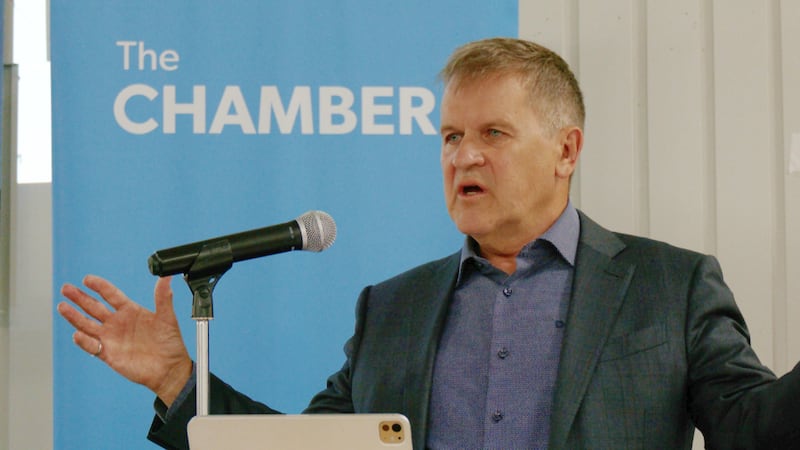
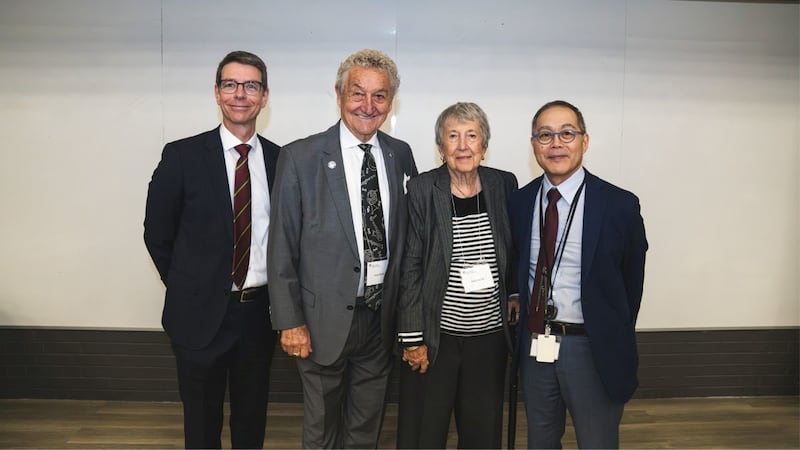
At the most recent meeting of the Maitland Valley Conservation Foundation, Dr. Justina Ray, founder of the Wildlife Conservation Society of Canada, made it clear that local decision making about environmental protections, matter. “There’s this incredible link between global and local action, and it really meets at the watershed scale. The watershed scale is always an organizing principle, no matter where we are in the world,” said Ray, a world-renowned wildlife biologist. Which is why Ray, and many at last month’s meeting, are against provincial plans to amalgamate Ontario’s 36 conservation authorities, into nine. “I think that that local aspect is very important, partly because so much of the work is on the land, in the forests, and the streams that we have locally. And it’s really, really important that you’ve got local knowledge, and we don’t want to lose that. We don’t want to lose that into a great big, massive, regional conservation authority, that in our case covers 19,500km²,” said Ed McGugan, chair of the Maitland Valley Conservation Authority. The provincewide conservation amalgamations take effect Feb. 1, 2027. The province says combining conservation authorities and creating a centralized Ontario Provincial Conservation Authority will streamline building approvals, standardize services, and strengthen watershed management. McGugan says cutting out lower tier municipal involvement is a mistake. “I think that we need to make sure that our voice is not lost in a big regional conservation authority. And that’s part of our job as local municipal representatives, to represent the concerns of the people who live out here,” said McGugan, who also serves as vice-chair of Conservation Ontario. On Feb. 1, Maitland Valley will join five other conservation authorities, creating the Lake Huron Regional Conservation Authority, stretching from Exeter to Orillia. McGugan is still pushing to split their newly created regional authority in half. “We would love to see a Lake Huron-focused area. Use Lake Huron shoreline as a datum and make that a conservation authority. We are also proposing that we call it the Lake Huron Conservation Region. You know, drop the ‘authority,’” he said. Whether the government goes for McGugan’s proposal or not remains to be seen. Ray fears her work with Maitland Valley and other conservation authorities on the One Health Lense, which intertwines environmental planning decisions to not only consider the impact on animal and natural health, but it’s impact on human health, will be lost amidst the new centralized conservation agency. “Local action matters so much, because that is where things make a difference. We have to be celebrating the watershed, even though, politically speaking, it is being torn down in front of us,” said Ray.