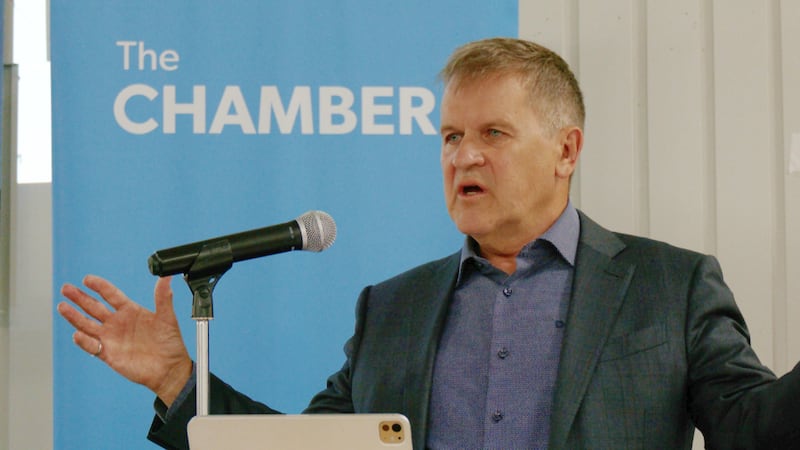
What began a quarter-century ago as a bold demonstration to draw attention to London’s hidden homeless population now appears, in retrospect, as a remarkably prescient vision of enduring challenges. On Wednesday morning, the Unity Project marked the 25th anniversary of its iconic tent city protest, a pivotal event that brought the issue of homelessness to the forefront of public discourse. In August 2001, a small but determined group established a tent city in Campbell Memorial Park, aiming to highlight the plight of those living without shelter. At the time, a participant articulated the protest’s core message, “We’re trying to say that it’s nothing to be ashamed of. It’s a reality and we’re going to have to deal with it.” The Unity Project was largely spearheaded by young activists, including co-founder Chuck Lazenby, who continues to serve as the organization’s executive director. Speaking at the 25th anniversary commemoration held at the Unity Project’s Old East London headquarters, Lazenby reiterated the enduring mission. “That supporting people experiencing homelessness is vital in our community,” she stressed, noting the message remains as critical today as it was in 2001. However, the underlying issues contributing to homelessness have only deepened and evolved over the past 25 years. Lazenby identified the pervasive spread of cheap, highly addictive drugs as a primary driver, alongside an escalating affordability crisis that makes securing stable accommodation increasingly difficult for many. In comments to CTV News, she pointed to a slow response from governments at all levels, advocating for systemic change, “We could really construct our society in a way that housing is a right, that we have policies that reflect that right.” The tangible impact of the Unity Project’s sustained support is evident in personal stories like that of Jax, who has been assisted by the organization for 16 years. It was through the Unity Project that she met her husband, Brian. Facing significant medical issues that have confined her to a wheelchair, Jax described the organization as a “lifesaver.” She fondly recalled, “It felt like home. It wasn’t like any other shelters. And they made you feel welcomed.” In response to the persistent need, the Unity Project began operating its own permanent shelter in 2018 and is actively working towards opening a new facility designed to support individuals grappling with poverty and addiction. Board member Dirka Prout addressed those gathered, expressing a powerful aspiration for the future. “We do not want to be here in 25 years. Things have to be different,” Prout stated, underscoring the urgency for profound societal shifts. A solemn reminder of the ongoing crisis stands in Campbell Memorial Park, where a monument dedicated to those who have died on London’s streets was placed in 2013.