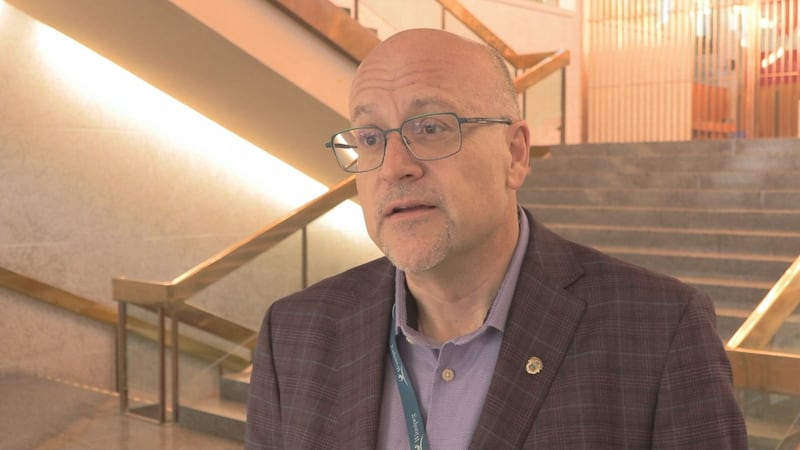
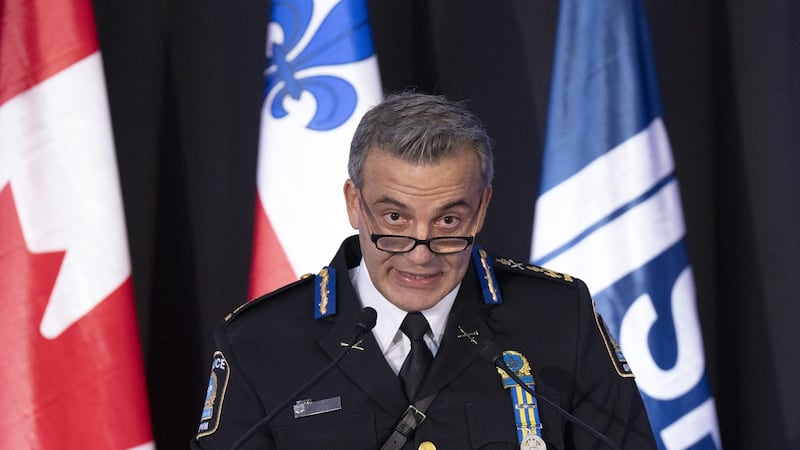
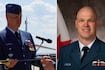
A top military honour bestowed upon a senior military official reveals significant Canadian involvement in last year’s “Twelve-Day War” against Iran than what the federal government has previously disclosed. Col. David Turenne, a former CF-18 fighter pilot and current deputy commander of 1 Canadian Air Division in Winnipeg, was recognized for organizing an urgent evacuation of the largest military base in the Middle East, after Israel launched a surprise attack against Iran on June 13, 2025. The Canadian Armed Forces (CAF) says the medal was bestowed upon Turenne for “exceptional leadership in enabling the safe evacuation of 10,000 personnel from the Al Udeid Air Base in Doha, Qatar, in June 2025.” The colonel was awarded the Meritorious Service Cross on July 26, more than a year after Turenne moved thousands of troops out of the danger zone. The award was published on the Canadian Forces General Messages announcements on Canada.ca. The delayed disclosure is compounding concerns about the lack of transparency regarding Canada’s military in the volatile Gulf region. When asked for more information, the CAF said that Turenne was recognized for his work when he served as director of the Combined Air Operations Center (CAOC), a multi-national command hub comprised of 17 nations at Al Udeid. Turenne’s role included force protection. Delayed disclosure “I think it’s quite ludicrous that we wouldn’t be celebrating this in in an open way — transparent way,” former Conservative defence minister Peter MacKay said. The “Twelve-Day War” began on June 13, 2025, when Israel conducted a surprise attack on Iran. The United States would later enter the war by bombing Iranian nuclear facilities. In retaliation, Iran fired missiles at Al Udeid. MacKay says the federal government’s announcement failed to recognize the dangerous circumstances under which Turenne was operating. “Turenne’s role was deemed pivotal. … War had broken out. There were bombs, missiles, drones, cruise missiles that were flying, and so there was urgency.” Al Udeid may be a multi-national command hub, but it is also the largest U.S. military base in the Middle East. Most of the personnel who work there are American. MacKay says in his opinion, “domestic political calculus” in the ongoing trade war is behind the downplaying of Turenne’s award. “The narrative that has been created for some time since the last election is that we are playing hardball with the United States and a story such as this, I guess, kind of undermines that narrative.” CTV News reached out to Defence Minister David McGuinty’s office for a comment but has not received a response. Logistical challenges Retired major-general Scott Clancy is a former director of operations for Norad, or the North American Aerospace Defence Command. He says Turenne would have been facing huge logistical challenges in moving soldiers and equipment out of range of Iran’s ballistic missiles. The backup support base for Al Udeid is Shaw Air Force Base in South Carolina. “It’s about removing your people away from the potential threats, but there’s also an aspect of not drawing fire onto allies’ territory,” Clancy said. Clancy, who previously served with Turenne in the Royal Canadian Air Force, said military officials and the government “have to balance the need for operational security and the personal security of those individuals who are deployed” when deciding what information to release. But Clancy says he was surprised there wasn’t more transparency and attention to Turenne’s role in the significant operation. “There would have been a better way to approach it, but all of this has political ramifications.” Opportunity lost The fallout from the Iran conflict continues after the U.S and Israel reignited the war in February without consultation from the United Nations or NATO allies. Six months later, the Strait of Hormuz continues to be a chokepoint. Prime Minister Mark Carney has also faced challenges in navigating the crisis. He has shifted his stance from initial support for the U.S.-led war to criticism of American unilateral action to calling Donald Trump’s ceasefire deal a “game-changer.” That diplomatic framework remains in a state of limbo. While the government has said that Canada has not participated in “offensive actions” against Iran, it was hesitant to disclose that approximately 200 troops were attached to allied operations in the Middle East. Carney and Defence Minister David McGuinty have also been criticized for not disclosing that a Canadian military hub in Kuwait was damaged in a retaliatory attack by Iran. The prime minister only acknowledged it after being confronted with media reports and satellite imagery. MacKay says disclosing information that doesn’t compromise operational security can increase patriotism and public support for the military. He sees the handling of Col. Turenne’s achievements as a lost opportunity. “He had a distinguished career as a CF-18 pilot. He was given a high military honour. Why aren’t we talking about it?”