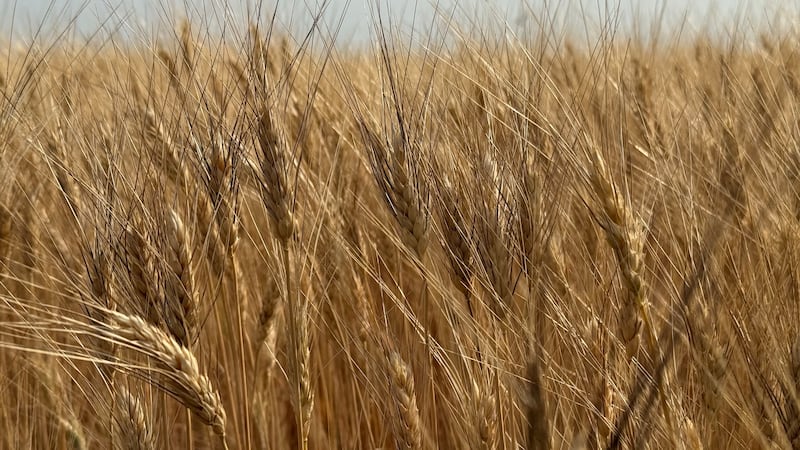
Progress was made in the field during the last crop report period before rain stalled field operations across much of Saskatchewan. Twenty-seven per cent of the crop is currently in the bin, up from last week’s 18 per cent. That’s still well behind the five-year average of 58 per cent, and the 10-year average of 50 per cent at this time of year. “Large amounts of precipitation were recorded throughout the province, and field work will be on hold until it is dry enough to continue,” the province said in a media release. The RM of Longlaketon led the way with 138 millimetres (mm) of rain. “Fields are generally saturated in many regions, and producers are hoping for warm, dry weather going forward,” the province added. The rain did help with topsoil moisture in cropland, hayland and pastures. Winter cereals, pulses, and early seeded cereal crops account for most of the harvest progress. Fall rye is nearly complete, with 94 per cent harvested. Winter wheat is close behind at 87 per cent. Mustard is the top oilseed harvested, at 50 per cent. Good progress is being made on spring cereals. Seventy-nine per cent of triticale is in the bin, up from last week’s 68 per cent. Barley is at 41 per cent, and durum is 38 per cent. For pulses, lentils are close to done at 84 per cent. Field peas are at 79 per cent. Crop damage this week was mostly because of too much rain and high winds. Some areas also reported hail damage. “Many crops are now lodged and waterlogged due to very wet fields. Producers are concerned about grain quality, bleaching and sprouting,” the news release added. Many producers are working to swath and dry out crops as conditions allow. Others are baling and hauling bales as they wait for the fields to dry. The province is encouraging producers to take safety precautions during this busy and stressful time. “This includes having fire suppression equipment readily available and exercising caution when working around powerlines,” it noted in the crop report. “The Farm Stress Line is available to provide confidential support to producers, toll-free at 1-800-667-4442.” Drivers are also asked to use caution if they encounter farm machinery and equipment on highways.