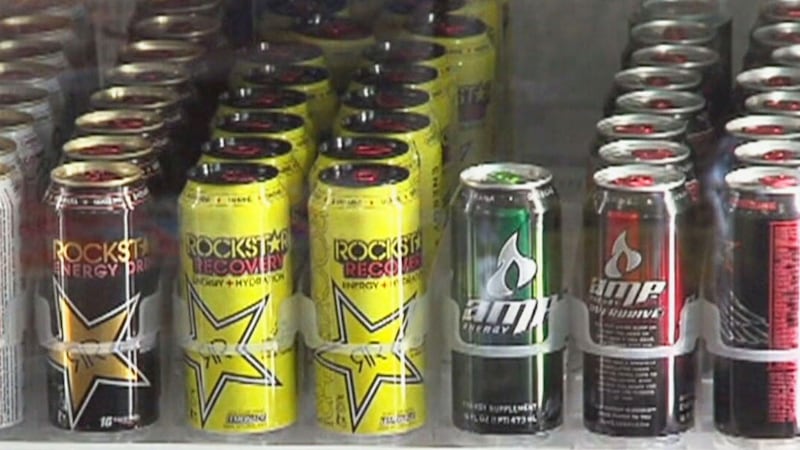
Energy drinks on average contain between 100 to 300 milligrams of caffeine, according to experts. Dr. Fraser Mackay, an emergency room physician, says they are neither good nor bad, but he wouldn’t necessarily recommend them. “In limited doses there is nothing wrong with caffeine. In the same way there is nothing wrong with limited doses of sugar, we need it to survive. But high dose repetitive consumption, there are clear downsides in terms of the basics with its impacts on blood pressure, heart rate and sleep cycles,” says Mackay. When combined with other medication, the impacts can become concerning. In young people, he says it can result in increased agitation and anxiety. “It’s the volume that’s being consumed and the ages that are being consumed and the consumption options are one of the huge concerns. The super high sugar content and a lot of people are combining these with alcohol, and a lot of people are also combining these with stimulant medications that they may be on. So, there is the risk of cumulative additive affects,” adds Mackay. Mackay explains that in some cases too much caffeine can be toxic and lead to cardiac problems. This is something the Nova Scotia Liberal Party is looking into. They have put forward a bill to ban children under the age of 16 from purchasing energy drinks. “I think it’s something that we just think have to have some regulation to keep our kids safe, even if it keeps one child safe. I think it’s worth the government to look at it,” says Iain Rankin, interim leader of Nova Scotia’s Liberal Party. Quebec just became the first jurisdiction in North America to ban the sale of energy drinks to children under the age of 16. Nova Scotia’s Liberals wants to do the same. Rankin says this change is something pediatricians and health-care providers have been calling on for years. “Even doctors Nova scotia and the Canadian Medical Association has asked provinces to step in to prevent kids from accessing things that don’t provide any benefit to them and have caffeine and other ingredients that can cause them harm, headaches, sleep deprivation, and in some cases if mixed with the wrong medication can which is what happened in Quebec there was a cause of death there,” says Rankin. In a statement to CTV News, the Halifax Regional Centre for Education (HRCE) says it follows Nova Scotia’s provincial school food and nutrition policy and school food and beverage standards. “The standards specifically identify energy drinks as beverages that do not align with Canada’s Food Guide and state that they should not be sold or served at school. “The policy focuses on the food and beverages that are sold, served, and made available within the school food environment. Schools also continue to encourage students to make healthy choices, with water identified as the recommended drink of choice.” says Lindsey Bunin, a spokesperson for HRCE. Dr. Mackay says he agrees that kids under the age of 16 should not be able to purchase energy drinks. He explains this is not just something that Quebec has banned, but the U.K. has as well. “And a few other countries have done that and I think overall when you get to selling these products to youth, I support not selling them to them because we don’t really know the long-term impacts or neurodevelopment or high doses of stimulants in younger kids. We definitely know that sleep deprivation is a major contributor to a lot of mental health concerns which are being dramatically amplified by social media use and addictions to screens. So, if you now add ready access to stimulants, we don’t know how much worse that’s going to make it,” says Mackay. He is not in support of targeting kids to purchase these products; he explains that there is enough signal in scientific literature to prove it shouldn’t happen. For more Nova Scotia news, visit our dedicated provincial page