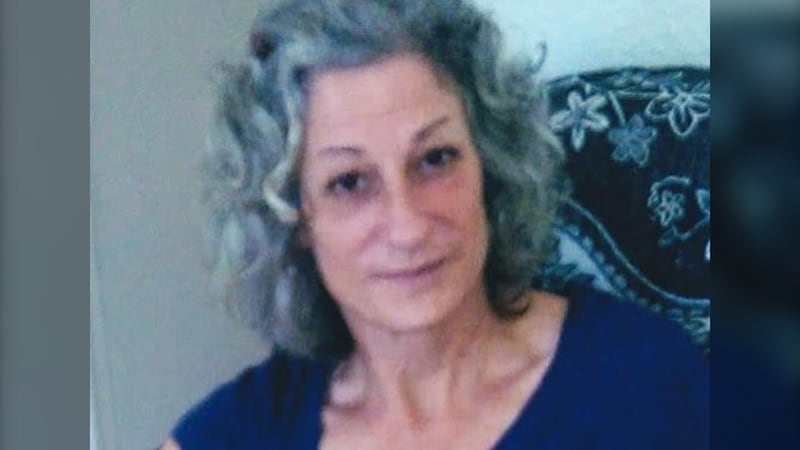
Waterloo MPP Catherine Fife is reintroducing a bill known as “Lydia’s Law,” pushing for more accountability and transparency when it comes to sexual assault cases in Ontario’s justice system. The bill would also prevent delays by ensuring funding is allocated to eliminating court backlogs and require every police service that receives a sexual assault complaint make the complainant aware of the Independent Legal Advice Program delivered through Ontario Victim Services of the Ministry of the Attorney General. It was originally introduced in the legislature two years ago but was sent to a committee and was never debated by MPPs. The bill is being reintroduced with a renewed sense of urgency and fresh frustration, ten days after a controversial decision regarding former neurologist Jeffrey Sloka. Last month Sloka was found not guilty of sexually assaulting 48 female patients between 2010 and 2017. Dozens of women claimed they received vaginal exams, breast exams or exams of other intimate areas during appointments for neurological concerns. Reintroduction The sister of one of the women involved in the Sloka case came to Queen’s Park Monday. She read a message from her sister who described the experience with the court process. “I have lost years I can never get back to the very system that claimed it would help me,” said Brittany, the sister of one of the women involved in the case. MPP Fife said Sloka’s case was a high-profile example of the problems in the justice system and far from the only one. “In 2025 alone, 1635 cases of sexual assault were disposed or stayed before trial. Up from up from 1326 in 2022. We’re not going in the right direction,” Fife said. Fife cited problems like court backlogs and staffing shortages. For cases that do go to trial, the experience can be retraumatizing. “For us, the Sloka case is an example like in real life time, how broken the system is. If you read the verdict from the judge, it was dehumanizing, it was demeaning. And he declared the women all 48, essentially dishonest. So this is this is very alarming,” Fife said. Lydia’s Law is named after a woman from Waterloo Region who went through her own two-year sexual assault case. The bill calls for annual reports on intimate partner violence and sexual assault cases including tracking delays. It would also strengthen supports for complainants and remove time limits for accessing mental health supports. “This bill is about transparency and accountability, and it’s about whether survivors in Ontario have can have any sort of confidence that if they come forward, the system’s meant to protect them will actually show up,” said Sara Casselman, executive director, Sexual Assault Support Centre of Waterloo Region. In the legislature the attorney general defended the government’s record. “No one should endure the lasting effects of these horrific crimes. But we are standing with victims. We are standing with victims by providing services. Madam speaker, we’re ensuring that they have access to independent legal advice so they understand their rights, they can make informed decisions, they can navigate the system,” said Doug Downey, Attorney General. For one family, grappling wit the outcome of the Sloka Case, they see Lydia’s Law as an opportunity for change. “To say that we’re devastated by the verdict in this case is an understatement. I think what this does in terms of the law and Lydia’s Law, we are not going to let this verdict tear us down. We’re going to use this to propel this law forward,” said Brittany. Fife said she is hopefully that this time the bill will be debated in the legislature.