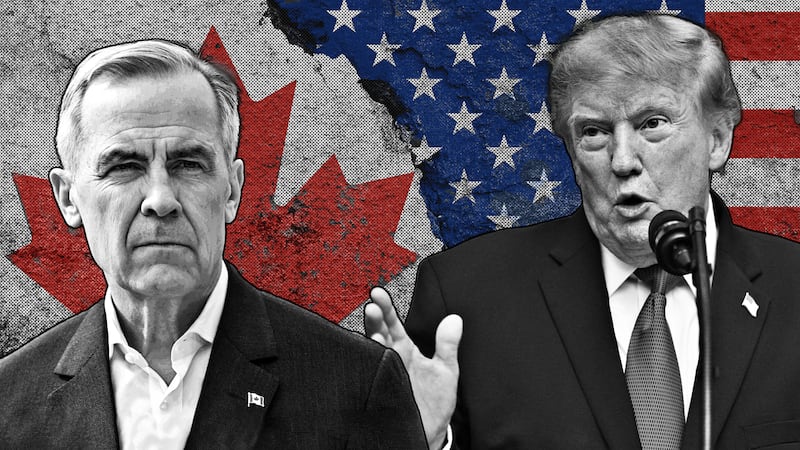
British Columbia must be prepared for job losses and a prolonged tariff fight after trade talks between Canada and the United States broke down, the province’s jobs and economic development minister says. Brenda Bailey defended the federal government’s decision to walk away from the trade talks last week, saying “stepping away from a bad deal is the right thing to do.” The breakdown in negotiations triggered new 50 per cent tariffs on billions of dollars worth of Canadian exports to the U.S. Prime Minister Mark Carney has vowed to match U.S. President Donald Trump’s tariffs “dollar for dollar,” a move that will drive up costs for consumers and businesses on both sides of the border. “It’s going to be rough,” Bailey told CTV News on Monday. “And it’s scary for people. We don’t know what comes next with this president. He’s very unpredictable.” Bailey said workers in B.C., Quebec and Ontario will feel the effects of the new tariffs most acutely, with job losses anticipated across multiple sectors. In response, the provincial and federal governments are preparing a package of financial support for businesses, she said, including grants and loans similar to the assistance provided during the COVID-19 pandemic. “It’s really important that businesses and workers know that this is a very serious matter, and your government is going to be there for you,” Bailey said. B.C. Premier David Eby on Monday reiterated his government’s support for retaliatory tariffs on U.S. goods, saying Canada’s very sovereignty is at stake in the dispute. “Unfortunately, Canada has to hit back,” Eby told CNN. “Frankly, I feel sorry for Americans right now that they have a president that is so disinterested in their cost-of-living concerns and is making them a global pariah.” Eby and Bailey said the province will step up efforts to diversify its trade relationships and reduce its reliance on the U.S. amid the escalating dispute. Canada’s retaliatory tariffs on U.S. goods are expected to take effect on Sept. 8.