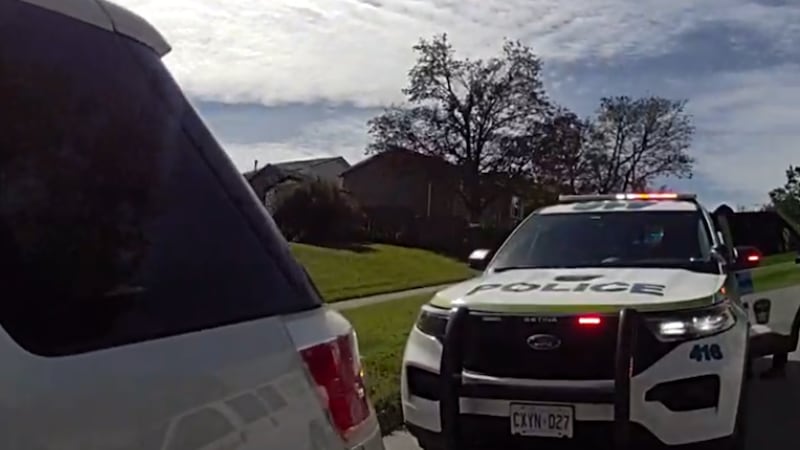
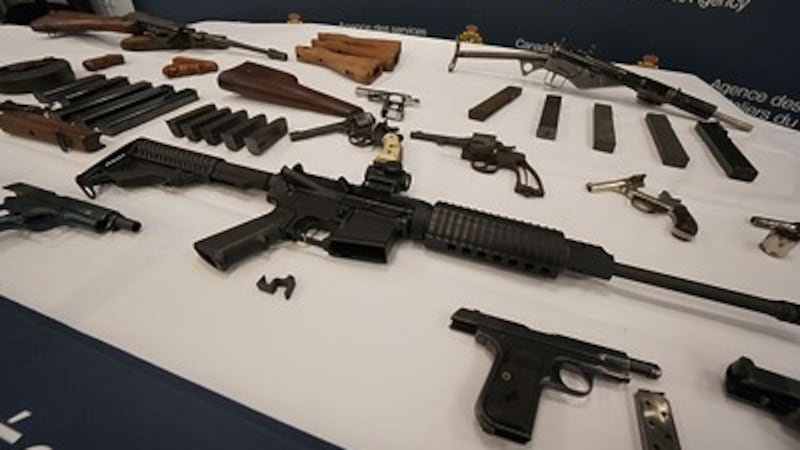
An Edmonton man has been sentenced to three years in prison for 3D printing guns and possession of prohibited weapons. Roy Tucker was identified and charged with 43 firearm-related charges after a national investigation into illegal firearms reproduction. Police in Edmonton were made aware of Tucker after he purchased 12 firearm rails kits that could be used to 3D print guns from a Quebec man who was under investigation for importing the items from the U.S. A search warrant was executed at Tucker’s house on June 20, 2023. Police found 38 legally owned firearms, both restricted and unrestricted. They also found 27 over-capacity magazines, a suppressor and a switch blade, which are all prohibited under the Criminal Code of Canada. A number of 3D printed gun parts were also seized from the house, along with a significant quantity of ammunition and other gun parts. A police gun analyst was able to make three of the 3D printed guns operational within 15 minutes using only parts found in Tucker’s house. Court heard there were eight more 3D printed guns that could have been made operational and enough parts to make five more. The judge said there was no evidence that Tucker planned to sell the 3D printed guns, but was manufacturing them as part of his gun hobby. Investigators also found notes made by Tucker related to weapons offences under the Criminal Code of Canada and sentencing provisions for such offences. The Crown had called for a 4.5-year sentence, while the defence wanted a two-year conditional sentence to be served in the community. In sentencing submissions, the defence asked for consideration of Tucker’s autism diagnosis. The judge found that Tucker’s moral culpability was not reduced by his autism, pointing to his education at NAIT, good social relationships, and longstanding history of employment. He did take into consideration numerous character letters submitted to the court on Tucker’s behalf, a report showing that Tucker is a low risk to reoffend, as well as what he called a genuine show of remorse. The judge said the aggravating factors that contributed to his sentencing decision included the fact that Tucker was well aware of Canadian firearms regulations and chose to 3D print the gun parts anyway. He said a high level of planning had gone into the operation, and pointed to the fact that 3D printed guns are particularly dangerous to the community because they do not have serial numbers and cannot be traced. The judge ultimately found that Tucker was not eligible for a conditional sentence because of the severity of the crimes. Tucker did not spend any time in custody after his arrest, and thus will not receive any credit for time served.