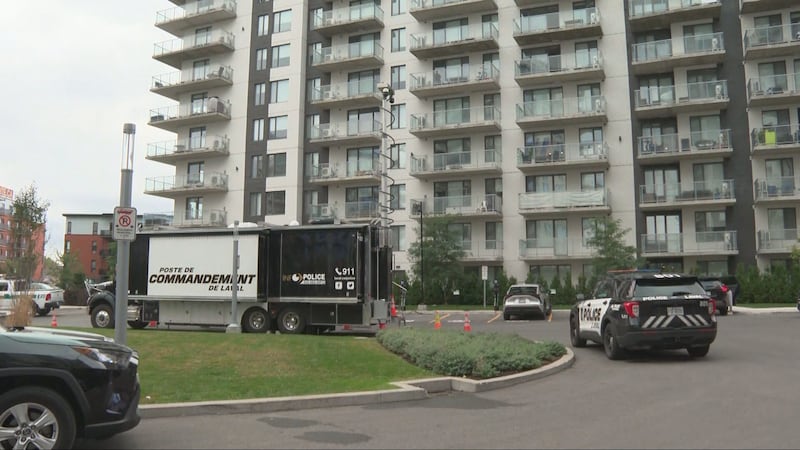
The City of Dorval in southwestern Quebec is testing an unusual ingredient this winter in its fight against ice: starfish. Instead of relying solely on traditional road salt, the city launched a pilot project using an additive derived from invasive starfish species. The goal is to reduce corrosion on infrastructure and limit the environmental footprint tied to winter maintenance. Mayor Marc Doret said the city had experimented with other materials in the past, but none proved ideal. Granite abrasives worked, he said, but the aftermath was a challenge. “It’s effective, but it’s very difficult to clean up at the end of the year,” Doret explained, adding that woodchips created their own problems. How the product works The additive was developed by the South Korean company STAR’s Tech and is blended with chloride-based ice melt. The product incorporates processed remains of two invasive starfish species. These species are considered harmful in South Korea because of the known damage they cause to marine life, including coral reef, and fisheries. Approximately 3,000 tons of these starfish are removed and disposed of each year by the local authorities. Rather than being incinerated, STAR’s Tech is using some of those remains and transforming them into a porous mineral powder used to create the de-icing additive. According to DongYeon Yoo, with the company’s technology and innovation planning team, the structure plays a key role in reducing damage linked to conventional road salt. “Our product has the advantage of being effective at extremely cold temperatures, being less corrosive, reducing the harmful effects of salt on the environment, and it is easy to spread,” Yoo said in a statement to CTV News. He added that the additive is designed to maintain the strong melting performance of conventional chlorides while “significantly reducing the negative environmental impacts typically associated with chlorides, such as metal corrosion and concrete deterioration.” The finished product contains calcium chloride, which generates heat as it dissolves — allowing it to remain effective at lower temperatures than standard sodium chloride. The product has already been used in parts of Alberta, including at the Edmonton International Airport on sidewalks and parking areas. Ontario’s Ministry of Transportation has also been evaluating the additive, and small-scale testing is underway in municipalities including Kirkland and Longueuil. The company said it is also exploring partnerships to establish production capacity within Quebec. Early results in Dorval Dorval crews began testing the mixture last week, applying it on sidewalks and comparing its performance to standard road salt. So far, Doret said results have been encouraging. “We’re going to have the opportunity for a couple more weeks to try the product at different temperatures and see where and how it performs best,” he said. The mayor said the next logistical hurdle would be determining how to import larger volumes of the additive on its own, in order to blend it locally with Canadian road salt — reducing transportation-related impacts. He described that supply chain challenge as the biggest obstacle moving forward, but said the city was hopeful it could be resolved. “So that’s probably something for next year,” Doret said. “But we’re aware that this could be a multi-year project for us.” More research needed on de-icing methods While municipalities search for improved winter solutions, researchers caution that any material spread on roads can end up elsewhere. At McGill University, PhD candidate Catalina Claus is researching how de-icers interact with freshwater ecosystems. She explained that, with concrete roads and pavement, there’s no absorbing. “Anything we apply to our roads can eventually be destined into a waterway when the snow melts,” she said. “And then we get that slushy runoff that enters into water bodies.” Claus said chloride runoff alters water chemistry in ways that can ripple through ecosystems. “[Road salt runoff] changes the chemistry of the water and that causes stress to the animals or plants living there,” she explained. “That can provoke, for instance, species to die. It can also impact the interaction of species, and then provoke a change throughout the entire food web.” She is also examining alternative de-icers such as beet juice-based mixtures and found that while they reduce chloride use, they can introduce their own ecological pressures depending on context. “My research found that beet juice can basically completely eradicate populations of zooplankton,” she said, explaining that these are crucial to maintain bodies of freshwater. “Like if you have a water body and it’s surrounded by vegetation, how does beet juice leach into a water body versus road salt? A lot of context needs to be added,” she said. While finding more effective de-icing products is important for municipalities to lessen damage to infrastructure, Claus highlighted the equally critical need to understand these products’ long-term impact. As Dorval continues its pilot in the coming weeks, city officials said they would closely monitor performance across freeze-thaw cycles before deciding whether to expand the initiative. For now, the sidewalks serve as a testing ground — not just for a new winter product, but for the broader challenge of keeping streets safe without shifting the environmental cost elsewhere.