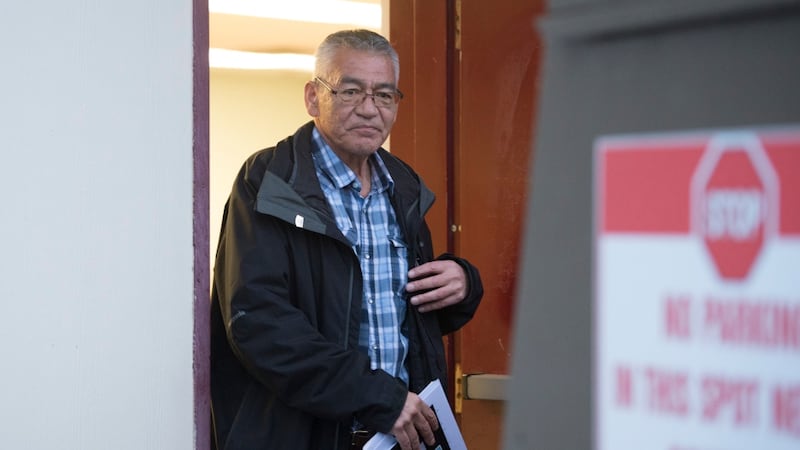
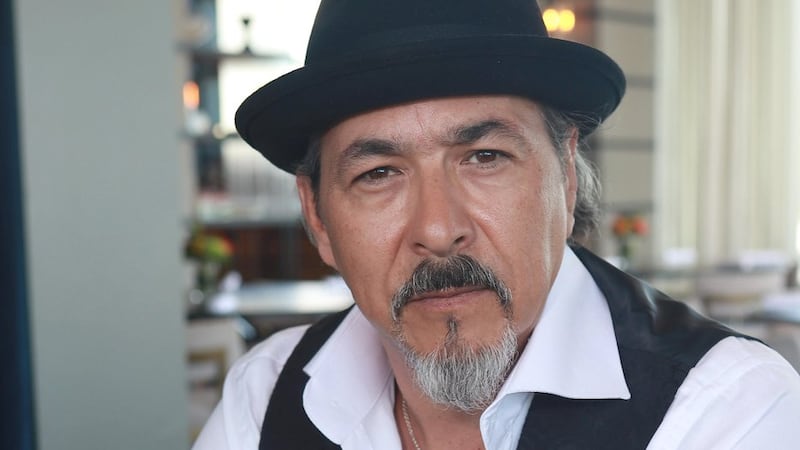
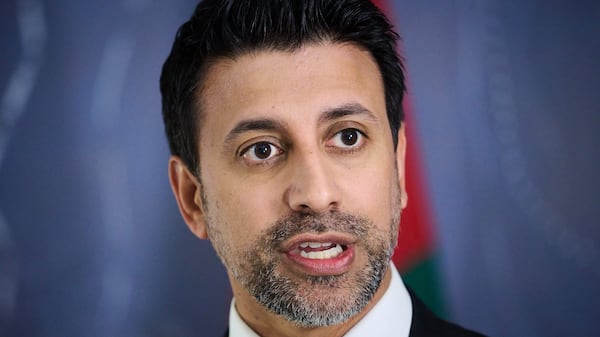
A group of First Nations Hereditary Chiefs has filed a lawsuit claiming Aboriginal title over three large tracts of land. They say it’s to have more control over forestry but the implications go much further. For months, members of the MAMO First Nation, an alliance of Atikamekw, Innu, and Abenaki land defenders have been disrupting the logging industry on their traditional lands. It started in protest of Bill 97, the controversial forestry reform bill that Quebec scrapped in September. “We decide for ourselves,” said Dave Petiquay, a Nitassinan hereditary chief and spokesperson for the MAMO First Nation. Nitassinan Hereditary Chief Dave Petiquay says the group -- from the Haute-Mauricie and Saguenay–Lac-Saint-Jean regions want the power to decide who can log on their lands and where, and to be compensated. Lawyer Frédéric Bérard argues the Canadian constitution gives them that right. “Those people are living there way before the Crown arrives, way before our government decides to do this or to do that. We want to protect the resources. And so we’re claiming that ancestral right, which is also an ancestral title,” Bérard said. The lawsuit comes after another Aboriginal title case in British Columbia. Last year, a B.C judge granted title to the Cowichan nation over 300 hectares of land in Richmond, a suburb of Vancouver — invalidating the Crown’s title and throwing residential property rights into question. Bérard insists this claim is different. The Cowichan Nation is a recognized First Nation. Petiquay and the group of land defenders claiming title over the land in Quebec deem themselves to be hereditary chiefs, and hold their title through traditional laws and lineage, not through the band council system that elects chiefs. “We are representing the land defenders, which is a first in Canadian History,” said Bérard. Another key difference is, to Bérard’s knowledge, there are no private property owners on the territories. “The territories we are aiming are territories that are used right now by companies with the help of Quebec government to destroy our forest,” Bérard said. The Montreal-based lawyer says, if successful, the suit would have repercussions for hereditary chiefs across the country and could impact future major infrastructure projects. The land defenders say they are willing to go all the way to the Supreme Court of Canada if necessary.