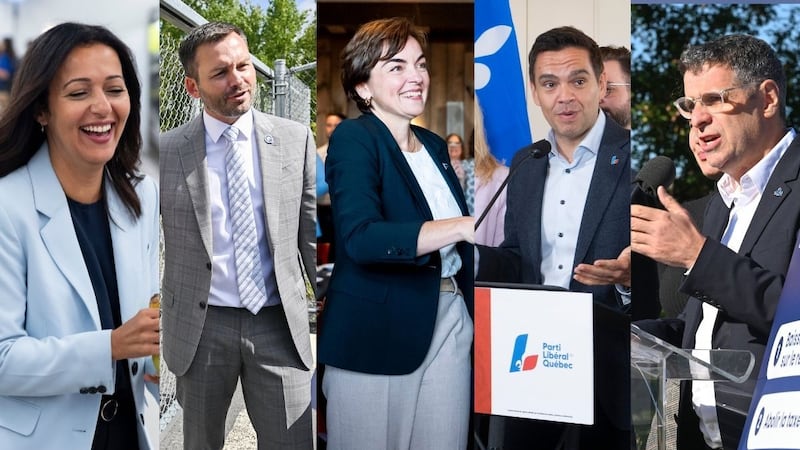
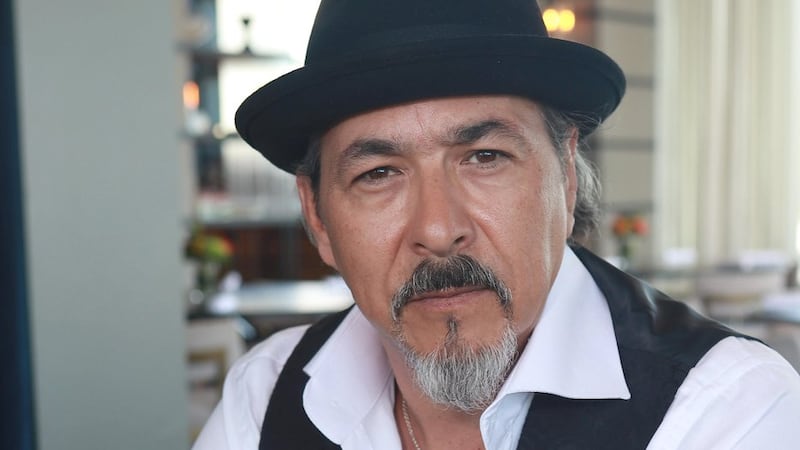
Projet Montréal’s biggest blunder this election cycle was that it ran a “boring” campaign, says a former councillor. Party leader Luc Rabouin, who took over the role from outgoing Montreal mayor Valérie Plante in March, resigned on Monday after losing his bid to lead the city on Sunday evening. The party is not giving interviews this week. Alain Vaillancourt, who once represented the Sud-Ouest, told CTV News he believed all parties failed to make Montrealers’ “dream” this time around. With a voter turnout of 36.52 per cent – the lowest since 2005 – it seems residents weren’t keen on running to the polls. “I think there was some fatigue after eight years in power. I think people wanted change. And honestly, I think when people want change, it’s really hard to counter that,” said Vaillancourt. Projet Montréal was defeated both in the city’s mayoral race as well as in several boroughs like Lachine, Côte-des-Neiges–Notre-Dame-de-Grâce and Mercier-Hochelaga-Maisonneuve. ‘Catch-22′ Though he says he wasn’t surprised to see Ensemble Montréal’s Soraya Ferrada Martinez win the mayoral race, Vaillancourt adds he was disappointed to see so few Projet Montréal candidates elected to borough mayor and councillor positions. He says all parties in this municipal election went “back to the basics” rather than propose innovation, which he muses could have required help from other levels of government that haven’t wanted to play ball with Montreal. This time around, candidates were more cautious and realistic, preferring to play it safe, he said.. “But when you do that, you eliminate kind of big things that make people dream at the same time. So it’s kind of a catch-22,” said Vaillancourt. “I think both sides did that, so it made for a campaign that just didn’t grab people’s interest.” Ericka Alneus, who secured her seat as councillor in Rosemont–La Petite-Patrie, doesn’t disagree. She insists this isn’t the end of Projet Montréal. “I think that we are in a certain position where people wanted to see something else, but I think that we’ll be there to offer what needs to be done for Montrealers,” she said on Sunday. “We’re the right party to do the work and to be there to build that city for us, but also for our kids that will be living in this city.” Back to the opposition Sterling Downey, who was re-elected as a councillor in Verdun’s Desmarchais-Crawford district, says there is a lot of work to be done as the official opposition. That’s how Projet Montréal gained traction after the 2013 election, he points out, before Plante became mayor in 2017. “We were a strong, organized and good opposition, something that the city hasn’t seen in the last eight years. So, an opposition when they’re good, they can do a lot of good for the city,” said Downey. He says he believes Montrealers were polarized on “certain issues,” and his party ran the best campaign it could, all things considered. ‘It’s just sad to see’ Vaillancourt notes that he isn’t convinced bike lanes lost Projet Montréal the election. He stresses that the party was first elected by promising bike lanes in 2017, and the city was preparing the Saint-Denis bike network when the party was re-elected in 2021. “I don’t believe that was the issue. I think there’s homelessness. There are big issues that Montreal has to deal with, and there’s a lot of inertia because we just can’t do it all ourselves,” he said. The real tragedy, he adds, was the lack of civic participation. Political analyst Justine McIntyre says the flurry of strikes – from Post Canada to the STM – didn’t help. “It’s just sad to see that people weren’t more interested. I think when you read the programs and read the things that people were promising, you could find things in there that you think were important to you,” Vaillancourt said. “But that’s not what happened.” With files from CTV News’ Denise Roberts, Rob Lurie and Maya Johnson.