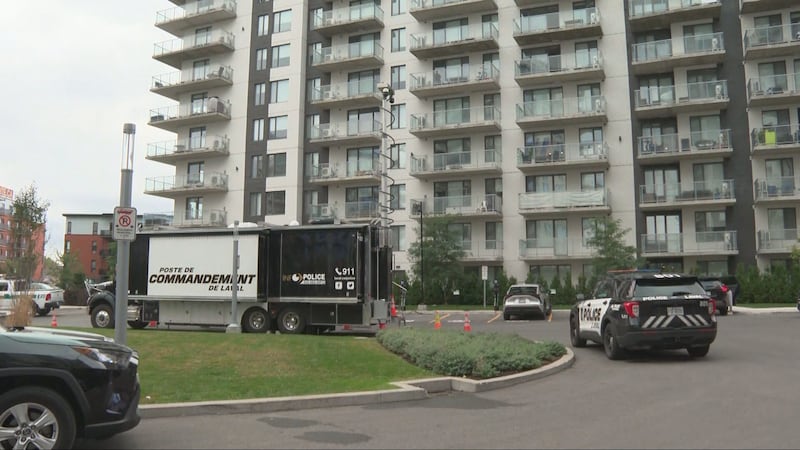
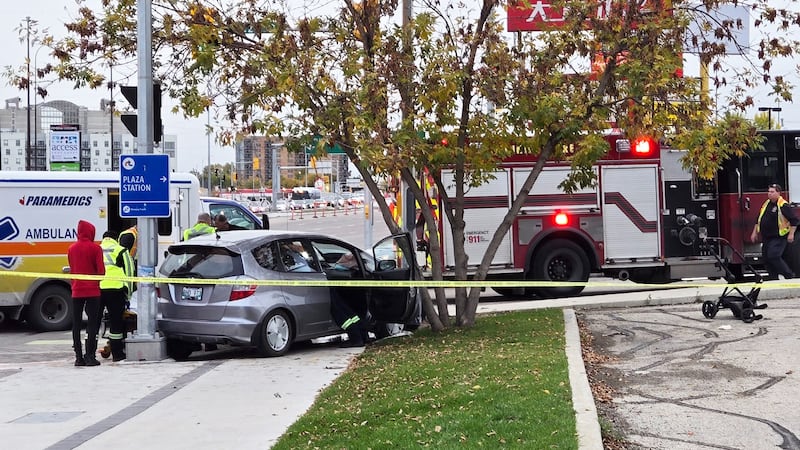
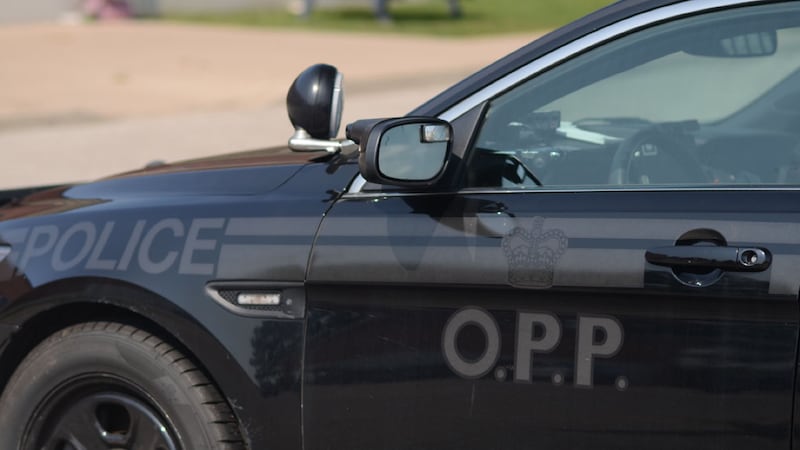
The City of Longueuil wants a judge to temporarily block the release of the identity of the police officer who shot and killed a 15-year-old boy last year during an intervention. The city argued in a motion that releasing the officer’s name will put his life at risk since there have already been threats to his life, including a contract killing on social media. The family of Nooran Rezayi is suing the City of Longueuil and the Longueuil police service (SPAL) for $2.2 million after their son was killed during the Sept. 21, 2025 intervention. Last March, the family filed a motion to disclose the name of the officer who opened fire, as well as the name of his partner on the call. The Attorney General of Quebec is opposing the motion, which has not yet been heard in court. However, the city has filed its own motion for a temporary confidentiality order to protect the officer’s identity in case the attorney general’s request is denied. If the city’s motion is granted, it would allow the names of the officer and his partner to be released only to the plaintiffs and their lawyers. According to the city’s motion, publicly releasing the officer’s name would put the officer at risk of “violence, threats, and harassment, fueled by a desire for retaliation or by the perception that sanctions should be imposed on them” outside of the law. Contract killing on Instagram To support its argument, the city pointed to the significant media coverage of the teen’s killing and the subsequent investigations underway, as well as an Instagram post by a teenager announcing a contract to assassinate the police officer involved. The post included a photo of an officer the teen believed to be the one who shot Rezayi, overlaid with the text: “That’s the [slut] who shot Nooran” and a $2,000 bounty. After the SPAL became aware of the post, they put in several measures to protect the officer’s safety, including relocating him to a safe house with officers posted outside. Other measures included de-indexing his personal information on search engines, “the removal or redaction of their personal information from court records,” and removing his personal information from property assessment rolls, according to the city’s motion. The teen who posted the Instagram story was found guilty of criminal harassment on Jan. 12 and sentenced in April to 40 hours of unpaid community service and 12 months of probation. Since Rezayi was killed, Quebec’s independent police watchdog, the BEI, has finished its investigation into the officer’s actions and submitted its report to the Quebec Crown prosecution office, known as the DPCP. The DPCP will determine whether or not criminal charges should be laid against the officer. If charges are laid, the officer’s name will likely be publicly released. In its motion, the city noted that if the Crown decides not to lay charges, it “is reasonably likely to be perceived as indicating a lack of consequences for the police officers involved and risks further fueling the hostile reactions already observed.” It added: “In light of the foregoing, the risk of violence, threats, and harassment against these police officers is very real and cannot be characterized as negligible, fanciful, or speculative.” The motion requests a 30-day window after the DPCP’s decision for the city to assess the risks to the officer’s safety, “and, if necessary, to file a new application seeking the issuance of an additional order.” The motion goes on to argue that the benefits of the order outweigh the infringement on the principle of open court proceedings. Lawyers for the Attorney General had wanted to present their arguments in a closed-door hearing on Wednesday without the presence of the parties or their lawyers. However, the hearing was postponed to October “due to a backlog in the court docket,” a city spokesperson told CTV News. In a separate lawsuit, The families of the five teens who were with Rezayi during the intervention are suing the city for $1.9 million.