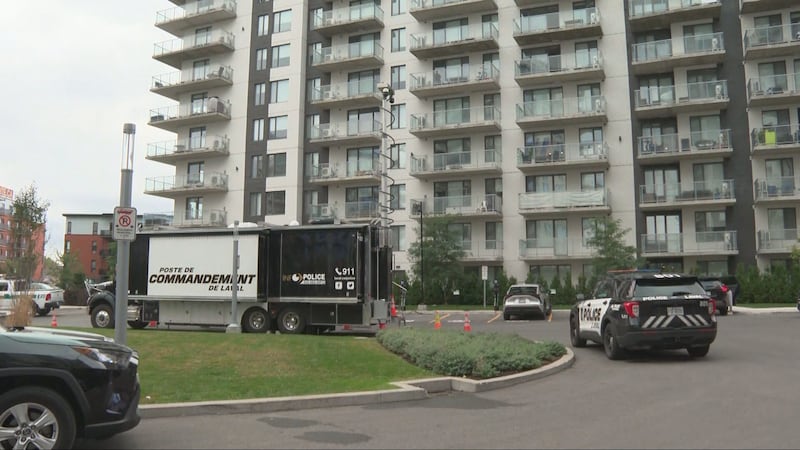
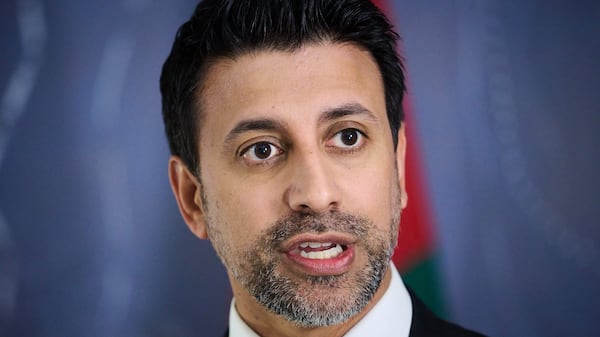
Montreal police (SPVM) chief Fady Dagher says he’s giving himself five years to stamp out systemic racism within the force. “The vision is I’m hoping that in 2030 the police department of the SPVM is going to be as close as possible to all the communities without any discrimination, any racial issues,” says Dagher, who became head of the 4,500-strong police force in 2022. A report released in 2019 confirmed that certain minorities were still disproportionately targeted for random police checks. The Quebec Superior Court also ordered the SPVM and the city to pay $171 million to victims of racial profiling. The city is currently appealing the judgement. Montreal police has a four-point strategy it says will focus much more on building bridges: identify discriminatory practices; improve police interactions; get closer to the communities; and maintain a workplace free of discrimination. “We need a police officer with technical skills, but we need also police officer with emotional skills, especially when you deal with complexity, with the community,” Dagher explained during a press briefing. The SPVM says it consulted with 1,000 sworn and civilian employees to prepare its plan and received input from experts and representatives from cultural groups, including Indigenous communities. Frederic Boisrond, a Haitian-born sociology professor, noticed that systemic racism could erupt from something as simple as someone calling 911. Currently only 16 per cent of SPVM officers come from cultural communities. The police force admits it’s having a hard time recruiting more diverse members. Brunilda Reyes, a Chilean-born social activist from Montreal North, says the explanation is simple: many newcomers to Canada say they often arrive here with a deep mistrust of police in their home country. “For us,” Reyes said, “when we arrive here, we see police as a source of repression and corruption. It takes a long time to rebuild trust.”