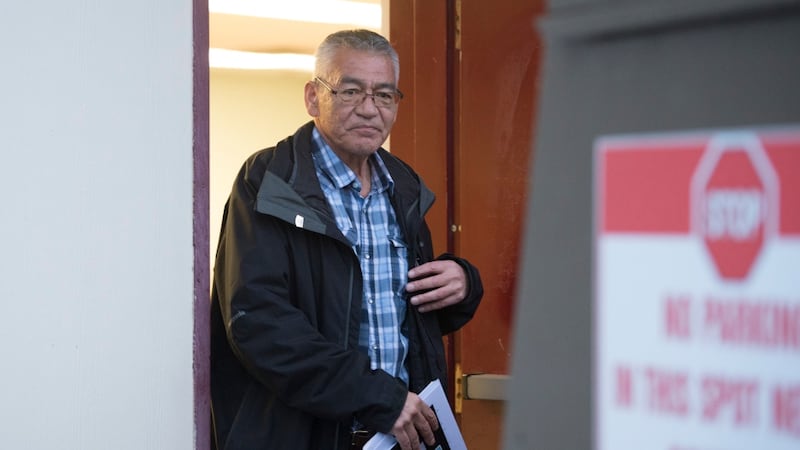
Six days after U.S.-Israeli military strikes began in the Middle East, there are still Quebecers abroad trying desperately to get home. Francis Vezina and his fiancée were returning from a trip to Thailand with a two-day layover in Qatar when the strikes began, grounding flights and leaving many stranded. “We saw the door of the lobby of the hotel shake, windows as well. We would hear the explosions over our heads. We had some debris in front of the hotel,” said Vezina. “The stress, the anxiety of all of this is something else. It’s not the kind of fear that I had experienced before.” Their fears mounting, on Wednesday, they took a taxi into Saudi Arabia, a trip that cost $2,000, travelling roughly an hour and a half from Doha to the border, then another five or six hours to Riyadh, where they hoped to find a flight out. “We followed another group of Quebecers that also had a private driver, paid for by their company. So we would have at least two cars to bring us sort of a reassurance,” said Vezina. ‘I don’t know what the next few days will look like’ Simon Marcotte and his family arrived in Dubai a month ago for a business trip. Now they, too, are trying to find a way out. “Today, all day, I felt like something was going to happen. And, of course, right now we’re receiving other alerts. So I don’t know what the next few days will look like,” said Marcotte. The United Arab Emirates is now one of the countries Global Affairs Canada is listing as high risk for travel. Marcotte says they receive alerts when there’s a missile threat, telling them to seek shelter. He says options to get out are limited, and information from Canadian officials has been scant. “The UAE is taking care of the population directly and protecting it, but we don’t feel like our government is making any effort whatsoever to bring back the citizen, when we look at U.S. and France that already sent some planes to bring them back,” said Marcotte. Lacking official guidance Vezina says they also received little to no guidance from the Canadian embassy on how to get out of Qatar or whether evacuations were being planned. While they had the means to get out on their own, they feel the federal government should have acted sooner. “It’s kind of unfair to have people that have the financial means leave, and those who can’t just stay there stranded, waiting for help. It doesn’t sound right to me,” he said. Foreign affairs minister Anita Anand said on social media she remains in close contact with international partners to help get Canadians out of harm’s way. She also announced the government would begin planning evacuations for Canadians stuck in the Middle East. Vezina and his fiancée have a flight booked. “I think we will feel 100 per cent safe when we touch the ground in Europe,” he said.