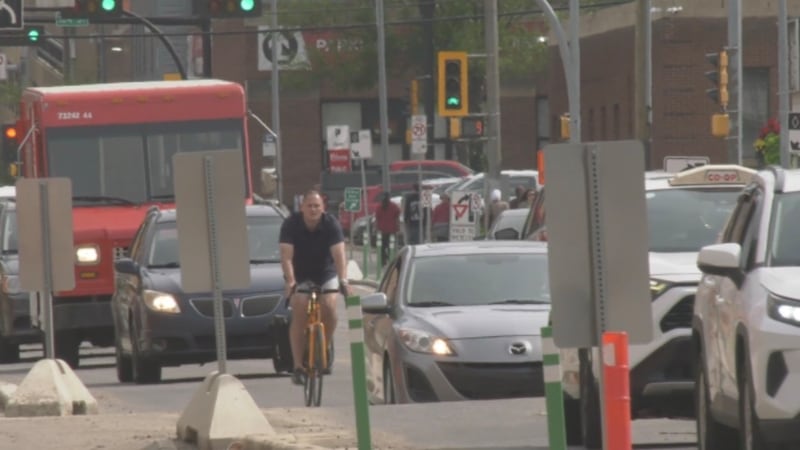
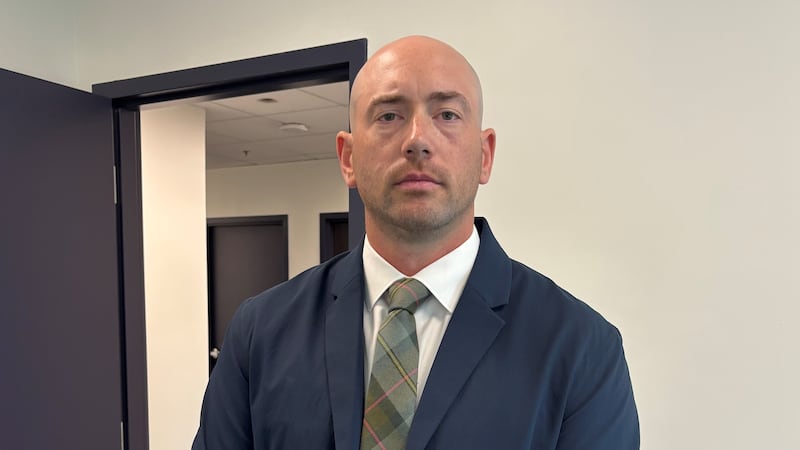
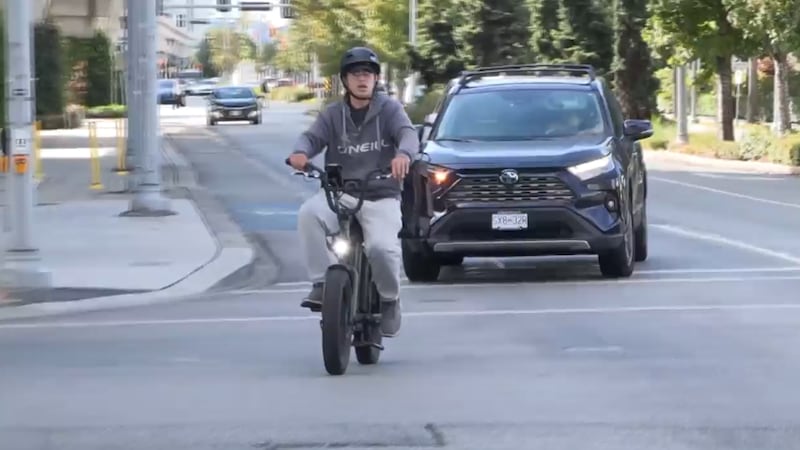
E-scooters, e-bikes and all-terrain vehicles are becoming increasingly popular, but a Saskatoon pediatric emergency doctor says that popularity is also contributing to serious, preventable injuries among children. Dr. Jason Baserman, a pediatric emergency doctor at Jim Pattison Children’s Hospital, says some of the most serious injuries his team sees are also among the most preventable. “The best traumatic brain injuries are the ones we never have to treat,” Baserman told CTV News. He says electric scooters and e-bikes can be useful and convenient, but they should be treated appropriately. “These are fantastic tools. But I think the challenge is they’re often viewed as toys, and they’re actually serious machines. And we should treat them with that respect.” His department has seen serious trauma cases involving e-scooters, e-bikes and ATVs, including traumatic brain injuries. Often, riders collide with larger vehicles on the road. “Layering on these severe traumatic brain injuries on an already taxed system, when many can be prevented, is something that I think we need to all be keenly aware of.” Fractures and abrasions are common in the pediatric emergency department in relation to these electric vehicles, but Baserman says doctors are also receiving reports of e-scooters being modified to travel faster than their intended speeds. “We’re receiving anecdotal reports that some of these scooters are traveling at speeds in excess of what they’re intended, which is certainly contributing to some of the severity of these injuries.” The concerns aren’t limited to the hospital. Dana Brass, a Stonebridge mom and professional gymnastics coach, says she has seen children riding e-scooters quickly through her neighbourhood, sometimes without helmets. “It raises a few red flags when I see so many children out on these e-scooters going fast.” Brass says she worries that some parents may not realize the risks their children are taking. She has joined a growing number of voices commenting on the Stonebridge Facebook page who are also concerned about the safety surrounding these vehicles. “My concern is just I’m not sure that the parents are aware that they’re doing these without their helmets and at the speeds they are. And this worries me as a mom.” The issue hits close to home for Brass, who has worked with Cirque du Soleil around the world. Her professional experience has made her particularly conscious of head injuries and concussion management. “We take all of these things very seriously with concussion protocol, injury management.” Brass hopes parents will talk to their children about the risks and make sure safety rules are followed. Baserman says the answer isn’t necessarily to ban e-scooters or e-bikes. Instead, he wants riders and parents to understand the risks and follow the rules. In Saskatoon and Regina, e-scooter riders must be at least 16 years old, ride lone and wear a helmet, along with following municipal speed and operating requirements, including a speed limit of 25 kilometres per hour. Baserman is also part of a new pediatric brain injury project focused on improving the assessment and management of traumatic brain injuries while also looking at ways to prevent them. That work will include injury prevention and potentially advocating for changes to legislation. “Education, helmet laws and even looking at how we can make our streets a bit safer to better accommodate all these different needs of transport,” he said. The project is expected to begin as early as next week. For Baserman, the ultimate goal is straightforward, which is to prevent injuries before they happen and keep more children out of the emergency department.